
The rollout of 5G networks and the emergence of Millimeter Wave (mmWave) applications have created unprecedented demand for high frequency printed circuit boards. Unlike standard Fr-4 boards, 5G and mmWave PCBs must maintain precise Impedance Control, minimal Signal Loss, and exceptional consistency across production runs. Choosing the right manufacturer for these demanding applications is not a task to take lightly. A single manufacturing error can result in costly redesign cycles, missed market windows, and compromised system performance.
This guide walks you through a systematic approach to vetting high frequency PCB manufacturers, from evaluating their material capabilities to verifying their testing protocols. Whether you are developing phased array antennas, 5g Base Station modules, or Automotive Radar systems, these steps will help you identify partners capable of meeting the stringent requirements of high frequency electronics.

Standard Pcb Manufacturing focuses primarily on electrical connectivity and basic signal routing. high frequency PCB manufacturing operates under an entirely different set of constraints. At frequencies above 6 GHz, and especially in the mmWave range (30 GHz to 300 GHz), Signal Integrity becomes the dominant concern.
The dielectric properties of the base material directly influence signal propagation characteristics. Variations in Dielectric Constant (Dk) across a panel or between production batches cause impedance fluctuations that degrade signal quality. Loss tangent (Df) determines how much signal energy dissipates as heat during transmission. For mmWave applications, even small variations can mean the difference between a functioning system and a complete failure.
Fabricators serving this market must demonstrate expertise in material selection, Controlled Impedance design, and process consistency that goes well beyond typical Pcb Manufacturing. This is why a thorough vetting process is essential before committing to any supplier relationship.
The foundation of any high frequency pcb is the substrate material. Reputable manufacturers maintain strict protocols for storing, handling, and processing high frequency laminates. These materials are typically fiber-reinforced composites with specialized resin systems, such as Rogers RO4000 series, Taconic RF laminates, or Panasonic Megtron 6.
When evaluating a manufacturer, ask specific questions about their material sourcing. Do they work directly with authorized distributors? Can they provide traceability documentation for each lot? High Frequency Materials are susceptible to moisture absorption, which affects dielectric properties, so proper storage in climate-controlled environments is non-negotiable.
Request information about their prepreg and laminate inventory management. The best facilities track material lot numbers from incoming inspection through final assembly, enabling traceability in the event of quality issues. If a manufacturer cannot articulate their material handling procedures, consider this a significant red flag.
Controlled Impedance is arguably the most critical parameter for high frequency PCBs. The acceptable tolerance window varies by application but typically ranges from +/- 5% for less demanding 5G applications to +/- 3% or tighter for mmWave designs.
Inquire about the manufacturer's impedance testing capabilities. They should utilize time domain reflectometry (Tdr) testing to verify impedance on every signal layer, not just coupon samples. Ask about their impedance modeling software and whether they perform Signal Integrity simulations before production.
Trace width and spacing tolerances are equally important. For mmWave designs with trace widths below 4 mils and spacing tolerances of +/- 0.5 mils, the manufacturer must operate with extremely tight process controls. Request data on their typical trace width variation across panels and between production runs.
A qualified manufacturer will share impedance test reports with you, including statistical data showing their process capability indices (Cpk). A Cpk of 1.33 or higher indicates a process capable of consistently meeting tight tolerances.
Beyond impedance, high frequency pcb manufacturing demands precision across numerous other parameters. Via dimensions, plating thickness, and dielectric thickness all affect electrical performance at high frequencies.
Ask manufacturers about their minimum via sizes and aspect ratios. For high density 5G designs, microvia technology may be required. Verify that they can achieve the via tolerances your design demands. Blind and buried vias add complexity but may be necessary for certain architectures.
Controlled depth routing and back drilling capabilities matter for high frequency applications. Back drilling removes unused stubs from through-holes that would otherwise cause signal reflections. Ensure your chosen manufacturer has precise controlled depth drilling equipment and proven processes for achieving accurate stub lengths.
Surface finish selection affects both solderability and high frequency performance. ENIG (electroless nickel immersion gold) is common for high frequency boards due to its flat surface and consistent impedance characteristics. HASL, while less expensive, introduces uneven surfaces that can cause issues at mmWave frequencies.
Quality Assurance for high frequency PCBs extends far beyond simple continuity testing. The manufacturer should employ multiple verification methods to ensure electrical performance meets specifications.
Electrical testing should include impedance testing on all controlled impedance nets, not just a representative sample. Automated optical inspection (AOI) verifies trace geometry and identifies defects, while flying probe testing provides more detailed electrical characterization. For critical applications, requesting 100% electrical testing of every net is reasonable.
Cross-sectional analysis, also known as microsectioning, reveals internal structure quality. This destructive testing method verifies plating thickness, dielectric dimensions, and layer registration. Request microsection data from recent production runs to assess the manufacturer's process consistency.
Request their defect escape rate data. World-class manufacturers achieve defect rates below 50 parts per million (PPM). If a supplier cannot provide quality metrics or seems reluctant to share performance data, this suggests potential quality management weaknesses.
Experience matters enormously in High Frequency Pcb manufacturing. A manufacturer who has produced thousands of Wi-Fi antenna modules understands the nuances of Rf Design better than one approaching your project with no relevant background.
Ask for case studies or examples of similar projects they have completed. Specifically inquire about their track record with applications operating in your frequency range. A manufacturer experienced with 28 GHz mmWave designs will have different process optimizations than one who only works with 6 GHz 5G applications.
Request customer references when possible. Speaking directly with engineers who have worked with the manufacturer provides invaluable insights into real-world performance, communication quality, and problem resolution capabilities.
Review their engineering support offerings. The best manufacturers provide design for manufacturing (Dfm) feedback, flagging potential issues before production begins. This collaborative engineering approach catches problems early when they are easy and inexpensive to fix.
Effective communication becomes critical when working with complex high frequency designs. Your manufacturer should provide clear documentation throughout the production process, from initial quote through delivery.
Request samples of their documentation packages. Engineering files should include detailed stackup specifications, impedance reports, material certificates, and inspection results. For ongoing production, ask about their process for communicating status updates, deviation notifications, and quality alerts.
Evaluate their responsiveness during the qualification process. A manufacturer who takes weeks to respond to technical questions before you are a customer will likely be equally unresponsive when you have urgent production issues.
Clarify their change notification procedures. Manufacturing processes inevitably evolve, and you need to know promptly when changes affect your products. A mature Quality Management System includes formal change control processes with customer notification requirements.
Nothing replaces a firsthand look at the manufacturing operation. When possible, visit the manufacturer's facility to observe their processes, equipment, and quality systems directly.
During a facility audit, examine their equipment calibration records. Measurement instruments should have current calibration stickers and traceable calibration certificates. Out-of-date calibrations indicate broader quality system weaknesses.
Observe the production floor environment. Clean, organized facilities with clear workflow patterns suggest disciplined operations. Watch for proper ESD handling procedures, as electrostatic discharge can damage sensitive high frequency circuits.
Ask about their incoming material inspection process. Even excellent suppliers occasionally ship substandard materials, and manufacturers must catch these issues before they enter production. Review their inspection criteria and sampling plans.
Discuss their production scheduling and lead time management. High Frequency Pcb manufacturing often involves long-lead materials and complex processes. Understanding their capacity and typical lead times helps you plan your product roadmap realistically.
Several warning signs should prompt extra scrutiny or cause you to rule out a manufacturer entirely. Vague answers to specific technical questions suggest insufficient expertise. Reluctance to share quality data or provide references indicates potential problems they would prefer you not discover.
Be cautious of significantly lower pricing than competing quotes. High Frequency Pcb Manufacturing involves expensive materials and precision processes. Prices far below market rates typically indicate corners being cut, whether through inferior materials, inadequate testing, or both.
Limited documentation or unclear traceability should concern you deeply. When failures occur, detailed records enable root cause analysis and corrective action. Manufacturers who cannot provide traceability documentation make troubleshooting nearly impossible.
Finally, watch for poor communication or unrealistic promises. Manufacturers who guarantee performance levels they clearly cannot achieve or who make promises without technical basis are not trustworthy partners for demanding applications.
Vetting a High Frequency Pcb Manufacturer for 5G and mmWave projects requires significant effort, but this investment pays dividends over time. Establishing qualification requirements upfront, documenting expectations clearly, and building relationships with key contacts at your chosen supplier creates a foundation for successful long-term collaboration.
Consider qualifying multiple manufacturers for different aspects of your business. A primary supplier for volume production and a secondary supplier for prototypes and quick turns provides flexibility and reduces supply chain risk. Regular performance reviews with your suppliers help maintain quality standards and identify improvement opportunities.
The right manufacturer becomes a strategic partner, not merely a vendor. They bring expertise that improves your designs, proactive suggestions that reduce costs, and reliable execution that lets you focus on your core competencies. Investing the time to vet manufacturers thoroughly sets the stage for these mutually beneficial relationships.
By following this systematic vetting process, you can identify high frequency PCB manufacturers capable of meeting the demanding requirements of 5G and Millimeter Wave applications. The effort invested in qualification today prevents costly problems tomorrow.
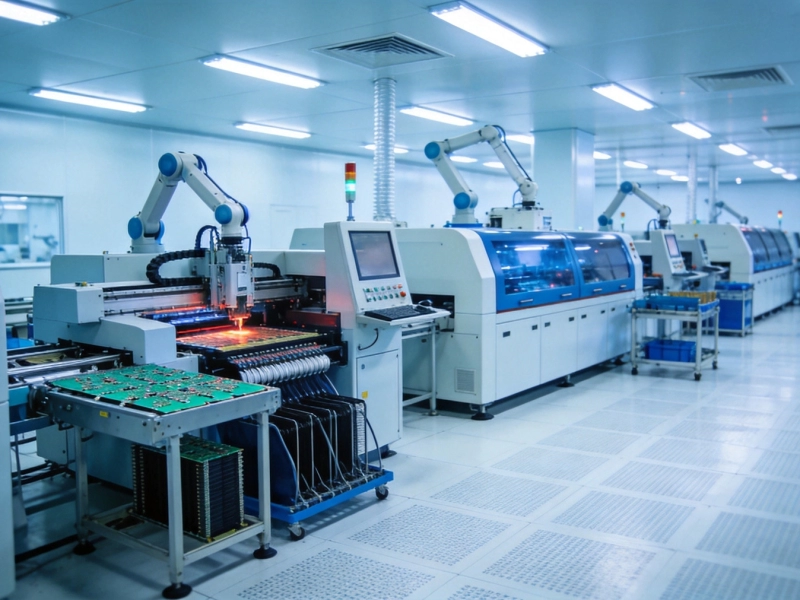
Inside the Factory: What to Look for in a High Frequency PCB Manufacturer's FacilityAugust/03/2026
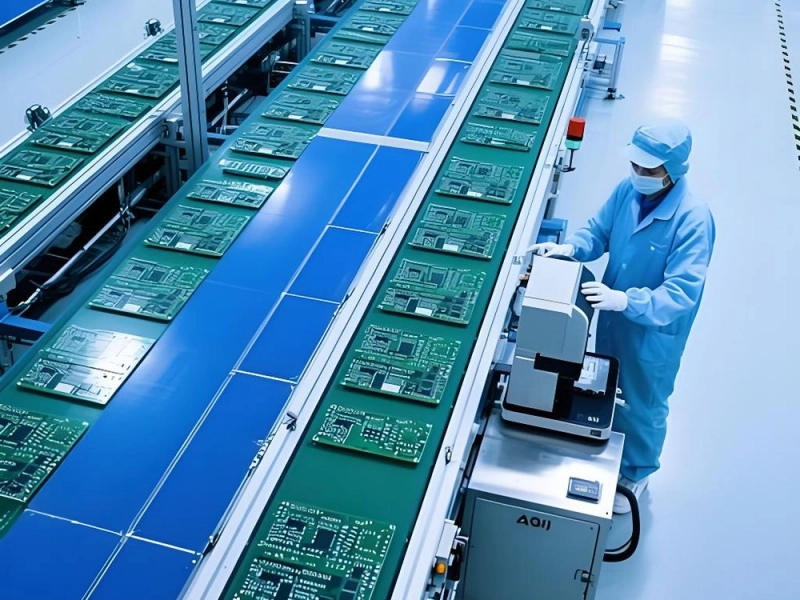
7 Key Factors to Consider When Choosing a High Frequency PCB ManufacturerMay/29/2026
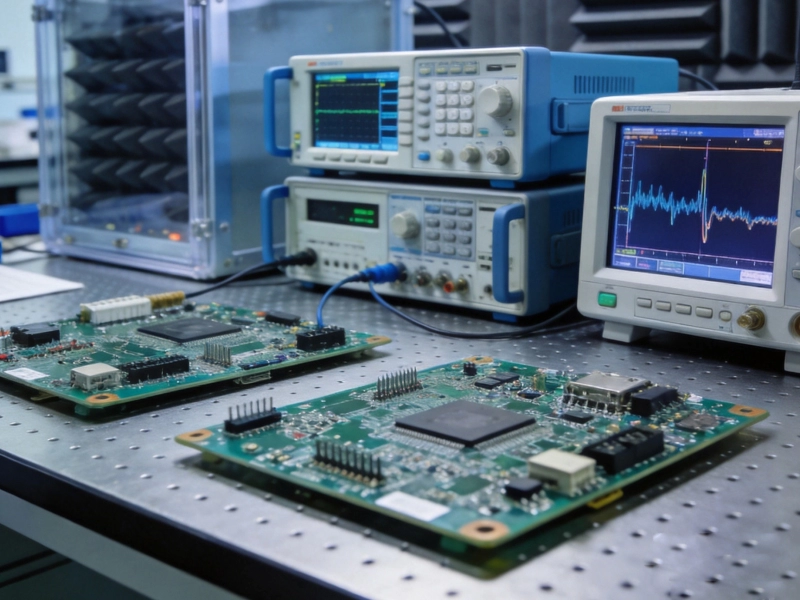
Case Study: How the Right High Frequency PCB Manufacturer Solved a Critical EMI IssueSeptember/09/2026
Why Certifications Matter: IATF16949 and ISO Standards for Your High Frequency PCB ManufacturerJune/17/2026
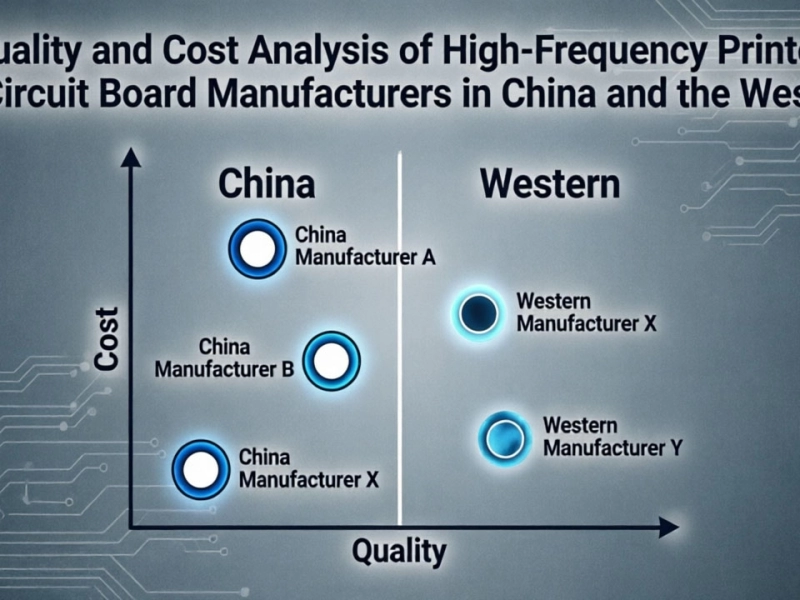
Quality and Cost Analysis of High-Frequency Printed Circuit Board Manufacturers in China and the WestJune/04/2026

The Role of AI in Modern High Frequency PCB Manufacturing: Precision and EfficiencyJune/30/2026

How High Frequency PCB Applications are Powering the AI Server RevolutionAugust/03/2026
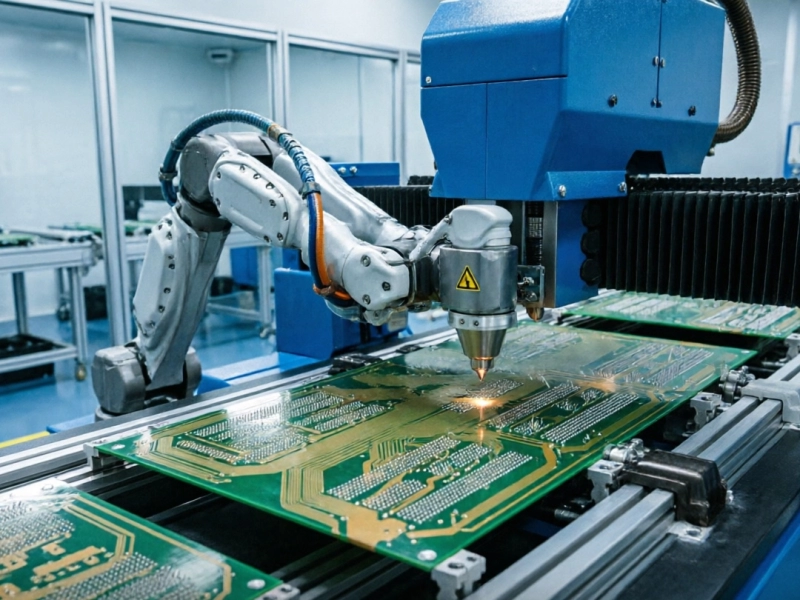
From Prototype to Mass Production: Scaling with a Reliable High Frequency PCB ManufacturerJuly/13/2026