Open Nav

High frequency PCB Fabrication sits at an intersection of demanding technical requirements and growing environmental responsibility. Manufacturers producing RF and microwave boards face pressures from multiple directions: customers demanding high-performance materials, regulators tightening chemical restrictions, and society expecting reduced environmental impact. Navigating these competing demands requires understanding the environmental landscape affecting modern PCB production.
Sustainability in high frequency PCB Fabrication extends beyond simple compliance checkbox exercises. It encompasses material selection, process chemistry, energy consumption, waste management, and product lifecycle considerations. Companies that proactively address these factors position themselves for regulatory changes while often discovering operational efficiencies that reduce costs alongside environmental impact.
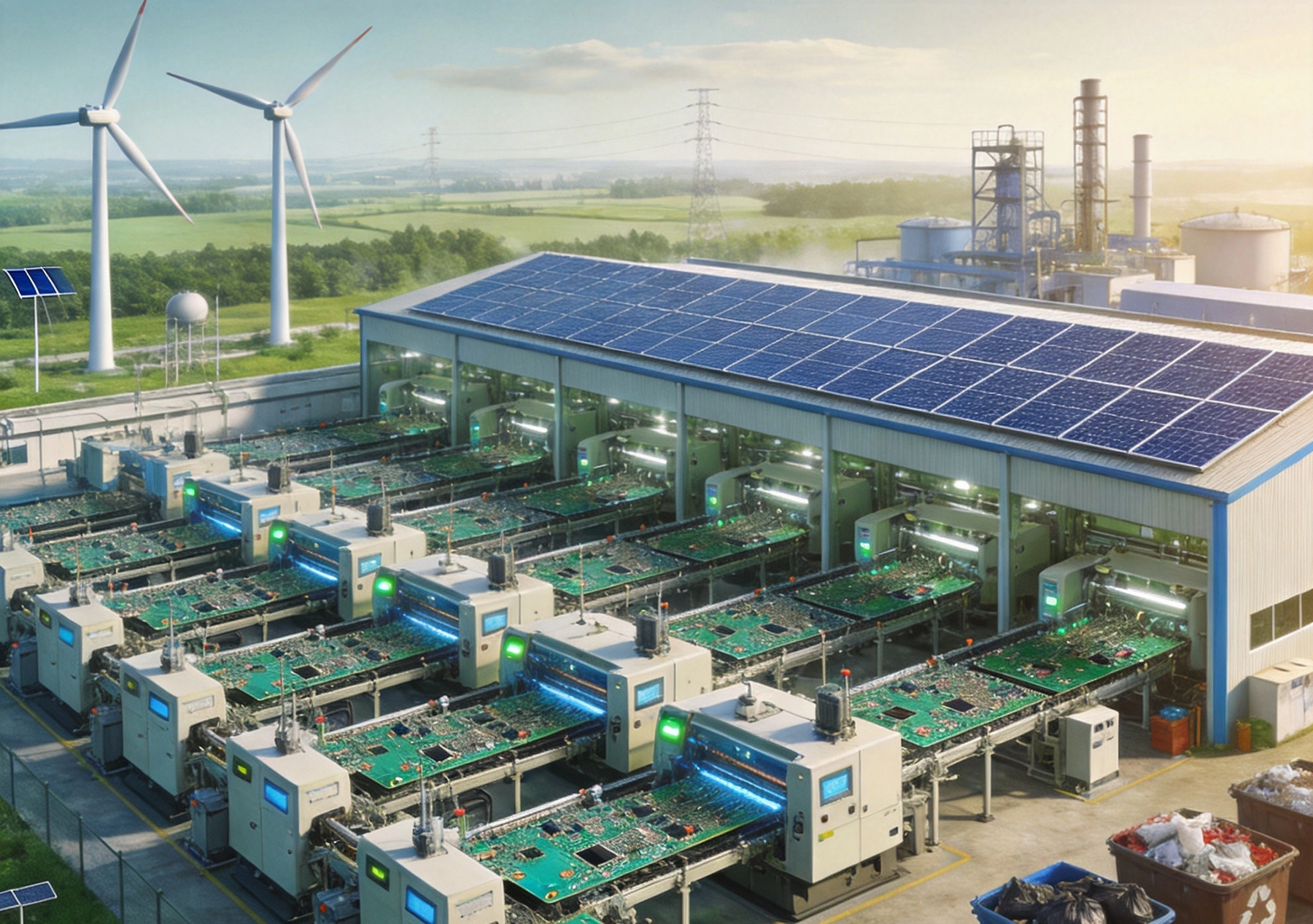
The Restriction of Hazardous Substances (RoHS) directive limits specific materials in electronic products sold in European markets. While the original directive focused on lead, mercury, and similar substances, subsequent amendments have expanded restrictions to include additional compounds. high frequency PCB manufacturers must track these restrictions as they affect both materials used in production and materials contained in customer products.
Key restricted substances affecting Pcb Fabrication include lead in solder and plating, hexavalent chromium in surface treatments, and certain flame retardants. While many manufacturers have transitioned away from restricted materials, ongoing compliance requires continuous monitoring of supply chains and material specifications.
The Registration, Evaluation, Authorisation and Restriction of Chemicals (REACH) regulation places obligations on companies manufacturing or importing chemical substances. For PCB fabricators, this means tracking the chemicals used in plating, etching, cleaning, and surface finishing processes. Some substances require registration with detailed safety data before they can be used commercially.
REACH compliance extends beyond the fabricator to their material suppliers, who must provide information about chemical substances in their products. high frequency PCB materials including specialty laminates and prepregs fall under REACH requirements, requiring documentation and traceability throughout the supply chain.
Regulations continue evolving toward stricter environmental controls. Proposed restrictions on per- and polyfluoroalkyl substances (PFAS) may affect certain Pcb Materials and process chemicals. California regulations and similar state-level initiatives often precede broader adoption of stricter requirements.
Companies with robust environmental management systems adapt more easily to new regulations. Rather than scrambling to address each new requirement, organizations with systematic approaches to tracking materials and processes can respond incrementally to changes.
Traditional FR4 and many high frequency laminates contain brominated flame retardants to meet fire safety requirements. These halogenated materials release potentially hazardous compounds when burned and have faced increasing regulatory scrutiny. Halogen-free alternatives use phosphorus-based or other flame retardant systems that offer comparable fire safety with improved environmental profiles.
High frequency applications requiring low loss characteristics may face challenges with halogen-free options. Some specialty materials sacrifice electrical performance to achieve halogen-free status. Evaluate whether available halogen-free High Frequency Materials meet your performance requirements before specifying them.
The pursuit of better electrical performance in high frequency circuits often conflicts with environmental objectives. Some high-performance materials use specialty resins or reinforcements that complicate recycling and disposal. Hydrocarbon ceramics offer excellent electrical properties with better environmental profiles than PTFE-based alternatives, representing one path toward improved sustainability without sacrificing performance.
Material suppliers continue developing new products that balance electrical performance with environmental responsibility. Engagement with suppliers about their development roadmaps helps keep options open for future designs.
Emerging Pcb Materials incorporate recycled content or bio-based substrates that reduce virgin material consumption. While these products currently serve limited applications, ongoing development may expand their relevance for high frequency designs. Evaluate whether recycled or bio-based materials meet your technical requirements before dismissing them as unsuitable.
high frequency pcb manufacturing uses tin in solder and surface finishes that may originate from conflict-affected regions. The Dodd-Frank Act and similar regulations require disclosure of tantalum, tin, tungsten, and gold sourcing. Responsible manufacturers implement conflict minerals programs that trace material origins and ensure ethical sourcing.
Supply chain transparency extends beyond conflict minerals to broader social responsibility concerns. Many customers now expect suppliers to demonstrate commitment to ethical labor practices and environmental stewardship throughout their operations.
Pcb Fabrication relies heavily on chemical plating processes for copper deposition, surface finishing, and metallization. These processes use solutions containing various metals and additives that require careful handling and treatment before discharge. Environmental compliance begins with understanding the composition of process solutions and the regulations governing their disposal.
Heavy metals including copper, nickel, and gold require specific treatment before wastewater discharge. Even trace amounts of certain metals exceed discharge limits, making process control essential for compliance. Modern plating equipment incorporates solution monitoring and automatic adjustment that maintains process quality while minimizing chemical consumption.
Traditional PCB etching uses ammoniacal etchants or acidic cupric chloride solutions. While effective, these chemistries have environmental drawbacks including ammonia emissions and heavy metal content. Alternative etching approaches using less hazardous chemicals continue development, though they may not match traditional methods in all applications.
Etchant regeneration systems reduce consumption by continuously restoring etching solution capacity rather than discarding depleted solutions. These closed-loop approaches minimize both chemical consumption and waste generation, often providing economic benefits alongside environmental improvements.
Surface preparation before plating and coating uses various chemical cleaning agents that may contain regulated substances. Transitioning to aqueous-based cleaning chemistries reduces organic solvent emissions and simplifies waste handling. However, aqueous cleaning may require more energy for drying and may not match solvent cleaning in all applications.
Vacuum solvent cleaning systems reduce emissions while maintaining cleaning effectiveness. These systems capture and recover solvents rather than venting them to atmosphere, providing environmental benefit with acceptable economics.
RoHS requirements drove adoption of lead-free surface finishes for most applications. Options including ENIG (electroless nickel immersion gold), immersion silver, immersion tin, and organic solderability preservatives (OSP) each have environmental profiles. ENIG uses gold and nickel that require careful waste management. Immersion silver and tin present different concerns.
No-surface-finish approaches using ENEPIG or similar treatments may reduce overall material consumption compared to thicker finishes. Evaluate finish options with both technical suitability and environmental impact in mind.
Pcb Manufacturing consumes significant energy in multiple process steps. Chemical plating, lamination, and especially烘烤 operations drive high energy demand. Equipment efficiency varies significantly between modern and older facilities, meaning production location choices affect energy consumption independent of process selection.
Energy management programs identify high-consumption processes and opportunities for efficiency improvement. LED lighting, variable-frequency drives on equipment motors, and heat recovery from process streams all contribute to reduced energy intensity.
PCB fabrication uses substantial water for rinsing, cooling, and process applications. Water scarcity concerns affect facility locations and operations, particularly in water-stressed regions. Water recycling and reclamation systems reduce fresh water consumption while minimizing wastewater volume.
Zero-liquid discharge (ZLD) systems eliminate liquid waste discharge entirely, treating and recycling all process water internally. While ZLD requires significant capital investment, it eliminates regulatory risk from wastewater discharge and provides resilience against tightening water regulations.
Pcb Manufacturing generates various waste streams including copper residues, epoxy scraps, paper and fiberglass reinforcements, and general process waste. Materials recovery programs extract value from waste streams while reducing landfill disposal. Copper recovery from etching and plating waste is well-established and economically attractive.
Panelization and nesting optimization reduces the material input per finished board, decreasing waste generation. Design practices that improve panel utilization contribute to sustainability objectives alongside economic benefits.
Complex multilayer boards using multiple material types complicate end-of-life recycling. Designs using fewer different materials separate more easily for material recovery. While electrical requirements may necessitate varied materials, minimizing material variety improves recyclability.
Hybrid constructions combining different material types at specific locations add complexity that persists through the product lifecycle. Evaluate whether such complexity serves necessary functions or merely reflects default design patterns.
Products designed for repair rather than replacement extend useful life and reduce waste generation. PCB design decisions affect repairability: accessible Component Placement, standardized interconnects, and repairable solder joints all contribute. While high frequency designs may have inherent constraints, maintaining some repairability provides environmental benefit.
Conformal coatings and encapsulation complicate repair but may be necessary for demanding applications. Consider whether full encapsulation is required or whether partial coating allows access to replaceable components.
PCB recycling processes mechanically shred boards and separate metal from non-metal fractions. Heavy metals and flame retardants in the non-metal fraction limit disposal options and may require specialized handling. Material choices affect recycling feasibility and cost.
Some jurisdictions require producer responsibility for electronic waste, placing end-of-life costs on manufacturers. Understanding these requirements informs material selection and product design decisions that affect lifecycle costs.
ISO 14001 provides a framework for systematic environmental management. Certification demonstrates commitment to environmental performance and provides assurance that the organization operates within a structured improvement framework. While certification is voluntary, customers increasingly expect suppliers to maintain certified environmental management systems.
Beyond certification, mature environmental management includes regular objective setting, performance tracking, and continuous improvement. Environmental Key Performance Indicators (KPIs) should be reviewed alongside quality and delivery metrics to maintain appropriate organizational attention.
Corporate carbon footprint commitments increasingly affect customer and investor expectations. While PCB fabrication represents a small portion of most product carbon footprints, supply chain carbon accounting may attribute scope 3 emissions to product manufacturers. Understanding your carbon footprint enables targeted reduction efforts.
Renewable energy procurement through power purchase agreements or renewable energy certificates addresses carbon emissions from electricity consumption. Energy efficiency improvements reduce both costs and emissions, often providing attractive returns on investment.
Environmental, Social, and Governance (ESG) reporting requirements affect publicly traded companies and their supply chains. Even private companies face customer demands for environmental disclosure. Standardized reporting frameworks like CDP (Carbon Disclosure Project) provide structure for environmental reporting while enabling comparison with peers.
Material disclosure requirements like IEC 62474 provide standardized format for communicating chemical substance information along supply chains. Implementing appropriate disclosure systems demonstrates compliance capability and supply chain transparency.
When qualifying PCB suppliers, environmental capabilities deserve consideration alongside quality and technical capabilities. Supplier environmental certifications, compliance history, and sustainability initiatives indicate management attention to these issues. Environmental audit findings from previous customers provide additional insight.
Supplier questionnaires help gather consistent environmental information during qualification. Standardized assessment tools reduce effort while enabling meaningful comparison between candidates.
Environmental performance often improves through sustained supplier relationships. Short-term transactional relationships discourage investment in environmental improvements that require time to realize returns. Long-term partnerships enable collaborative environmental initiatives that benefit both parties.
Sharing environmental goals with key suppliers enables joint improvement initiatives. A customer committed to supply chain sustainability can provide incentives for supplier environmental investments that might otherwise be difficult to justify.
Some environmental challenges require collaboration across supply chains to address effectively. Industry associations and multi-stakeholder initiatives provide forums for addressing common challenges. Participating in these forums keeps organizations current on emerging issues and potential solutions.
Direct collaboration between customers and suppliers develops solutions tailored to specific needs. A manufacturer with particular material constraints can work with their supplier to develop alternatives that work for their specific processes.
Environmental compliance has costs including equipment, processes, permits, monitoring, and reporting. However, these costs often compare favorably to non-compliance risks including regulatory penalties, customer loss, and remediation expenses. Proactive environmental management typically costs less than reactive approaches.
Beyond compliance costs, environmental initiatives may offer operational savings. Energy efficiency reduces utility costs. Waste reduction decreases material purchases and disposal fees. Water conservation lowers water and wastewater charges. These savings often provide attractive returns on environmental investments.
Environmental performance increasingly affects market access. Some customers and markets require environmental certifications or sustainability commitments as conditions of doing business. Companies without demonstrated environmental management may find themselves disqualified from consideration.
Conversely, strong environmental performance provides competitive advantage in markets where sustainability matters. Companies can differentiate their offerings based on environmental attributes, commanding premium prices or winning market share from less responsible competitors.
Environmental considerations represent significant business risks that warrant management attention. Regulatory risks affect operational continuity. Reputational risks affect customer relationships and brand value. Physical risks from climate change affect facilities and supply chains. Effective environmental management reduces these risks alongside their associated costs.
Insurance and financing costs increasingly reflect environmental risk profiles. Companies with poor environmental performance may face higher insurance premiums or difficulty obtaining financing for expansion.
Organizations beginning environmental improvement journeys should start with assessment of current performance. Understanding where you are enables planning where you want to go. Gap analysis comparing current performance to regulatory requirements and industry best practices identifies priorities.
Quick wins demonstrating early progress build organizational momentum for more challenging improvements. Simple changes often yield substantial benefits while demonstrating commitment to stakeholders.
Environmental management requires knowledge and skills that may not exist in all organizations. Training existing staff, hiring experienced personnel, or engaging external consultants all address capability gaps. The right approach depends on organizational scale, existing expertise, and ambition level.
Technology and equipment investments enable more ambitious improvements. Capital planning should include environmental equipment alongside production equipment to ensure capacity for continued improvement.
Environmental performance, like quality, requires continuous improvement rather than one-time achievement. Regular objective setting, performance review, and improvement initiatives maintain momentum. Environmental management system frameworks provide structure for ongoing improvement.
Benchmarking against peers provides context for performance evaluation. Industry associations often conduct environmental benchmarking surveys that enable comparison without disclosing specific company data.
ISO 14001 certification demonstrates systematic environmental management. Iso 9001 quality management often includes environmental considerations. For specific markets, additional certifications may be relevant. RoHS and REACH compliance documentation demonstrate regulatory adherence. Customer-specific requirements may include additional certifications.
Request environmental policy statements, certification copies, and recent audit results. Ask about environmental KPIs and trends. Inquire about regulatory compliance history and any recent violations. Site visits provide direct observation of environmental practices. Customer references offer insight from companies with direct experience.
Some High Frequency Materials present environmental challenges, but alternatives exist for many applications. Evaluate available halogen-free, Low-loss Materials for your frequency range. Work with material suppliers on development of alternatives if existing products don't meet both technical and environmental requirements. Consider whether design optimization could enable use of more environmentally friendly materials.
Costs vary widely based on current state, regulatory requirements, and ambition level. Basic compliance with existing regulations typically costs less than comprehensive sustainability programs. ROI for environmental investments often comes from operational savings, making many improvements self-funding. Total cost of ownership including avoided risks often proves favorable for proactive environmental management.
Environmental compliance adds consideration to material selection and qualification processes, potentially extending development timelines slightly. However, early attention to environmental factors reduces late-stage surprises that cause greater delays. Building environmental criteria into standard development processes distributes effort across the project rather than creating last-minute additions.
Sustainable high frequency pcb fabrication requires balancing demanding technical requirements with environmental responsibility. Organizations that proactively address these challenges position themselves for regulatory compliance, operational efficiency, and competitive advantage in markets increasingly valuing sustainability.
The path toward improved environmental performance begins with understanding current impacts, setting meaningful objectives, and implementing systematic improvements. While some changes require significant investment, many sustainability initiatives generate returns through reduced consumption and waste. Environmental responsibility and business success increasingly align, making sustainability not just an obligation but an opportunity.
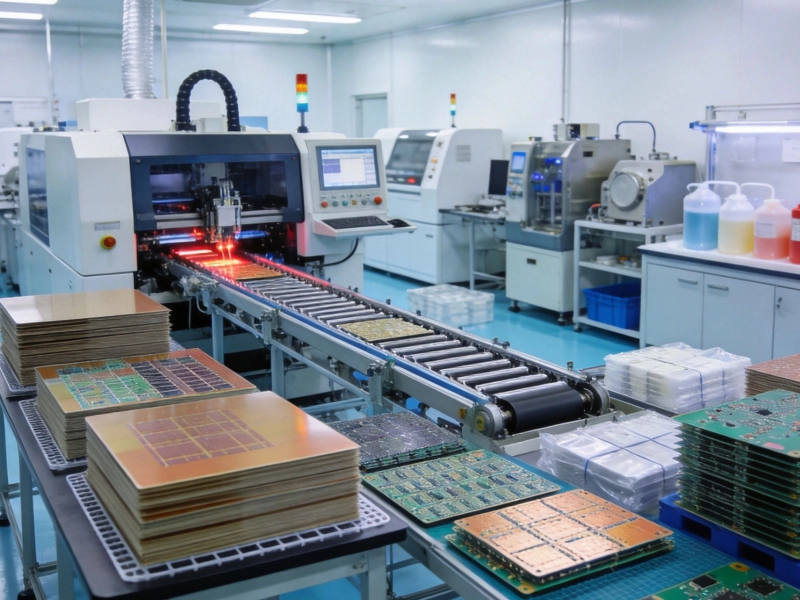
Advanced High Frequency PCB Fabrication Techniques for Low Loss PerformanceMay/29/2026

High Frequency PCB Fabrication Tolerances: Why Precision Matters More Than EverSeptember/02/2026
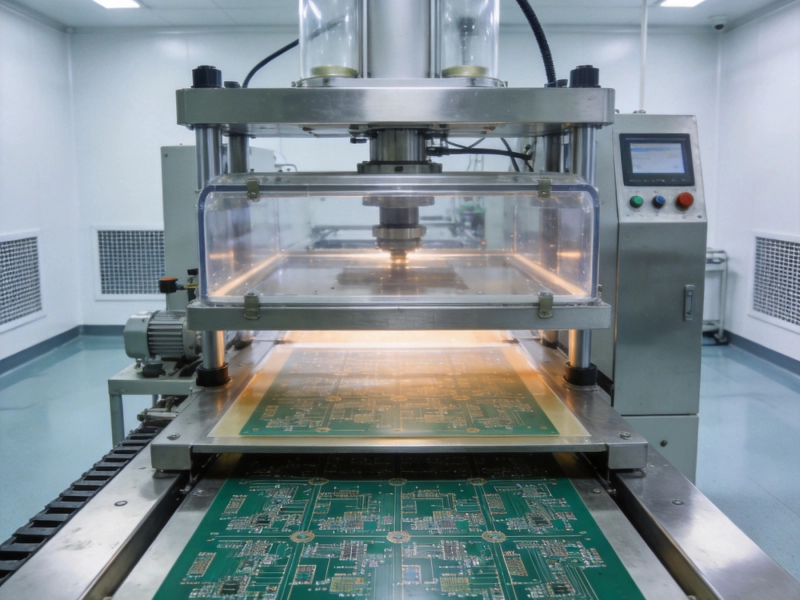
The Role of Vacuum Lamination in High Frequency PCB FabricationAugust/07/2026
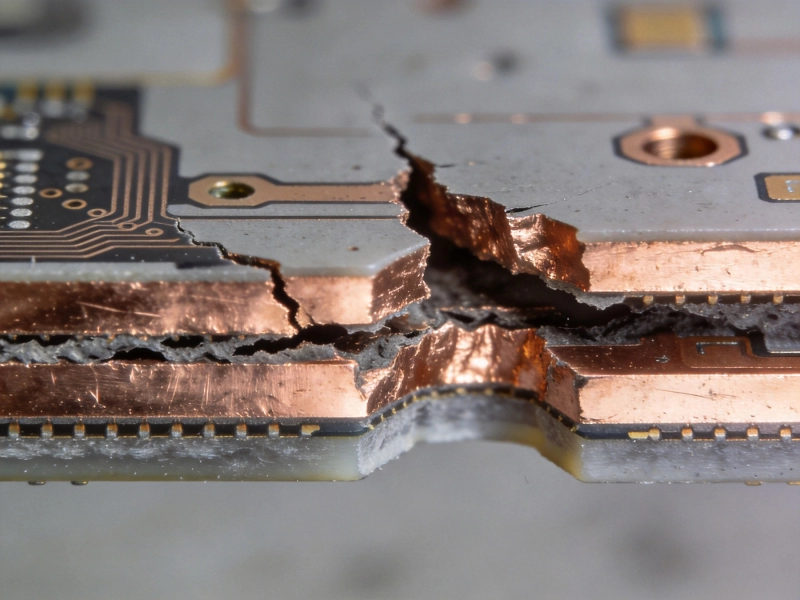
Overcoming Delamination Challenges in Multilayer High Frequency PCB FabricationJuly/28/2026

High Frequency PCB Fabrication: Managing Dielectric Constant (Dk) TolerancesJune/09/2026

Laser Drilling and Microvias in Modern High Frequency PCB FabricationJuly/07/2026
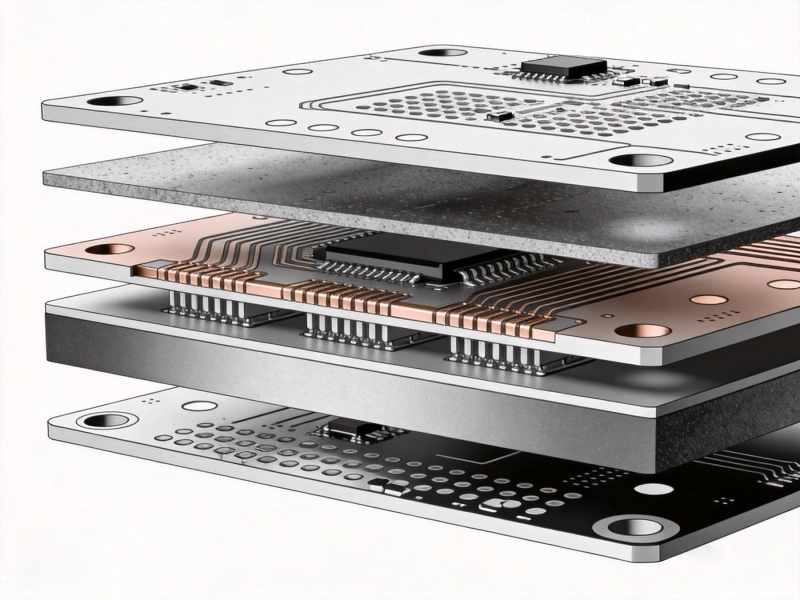
Hybrid Stack-ups: Combining FR4 and RF Materials in High Frequency PCB FabricationSeptember/14/2026

The Impact of Surface Roughness on High Frequency PCB Fabrication QualityJune/27/2026