
We expertly process a wide range of premium materials tailored to specific frequency bands, including high-performance Ptfe (Teflon), ceramic-filled laminates, and hydrocarbon-based composites from industry leaders like Rogers and Taconic. Unlike standard Fr-4, these specialized materials offer superior thermal stability, minimal moisture absorption, and consistent electrical properties across extreme temperature ranges. By leveraging our deep expertise in high-frequency materials, we ensure your telecommunications, aerospace, and Automotive Radar applications achieve maximum performance, reliability, and flawless signal transmission.
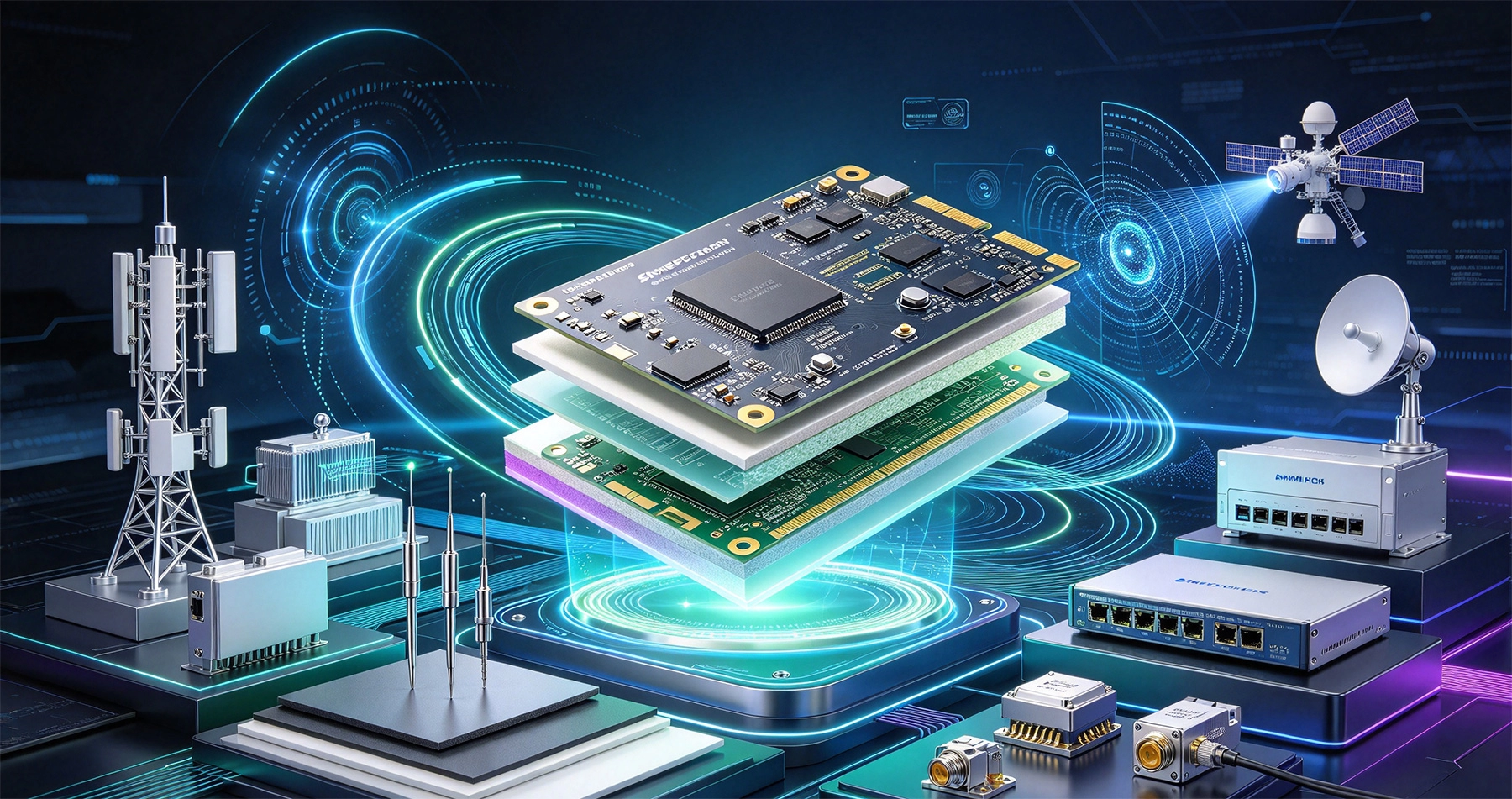
Emerging Trends in High Frequency PCB Materials for Next-Gen Communication October/10/2026 Next-generation communication systems are moving faster, higher, and denser. 5G networks are expanding, 6G research is accelerating, satellite constellations are multiplying, and AI-driven data centers are pushing serial data rates toward 224 Gbps and beyond. In this environment, the printed circu...
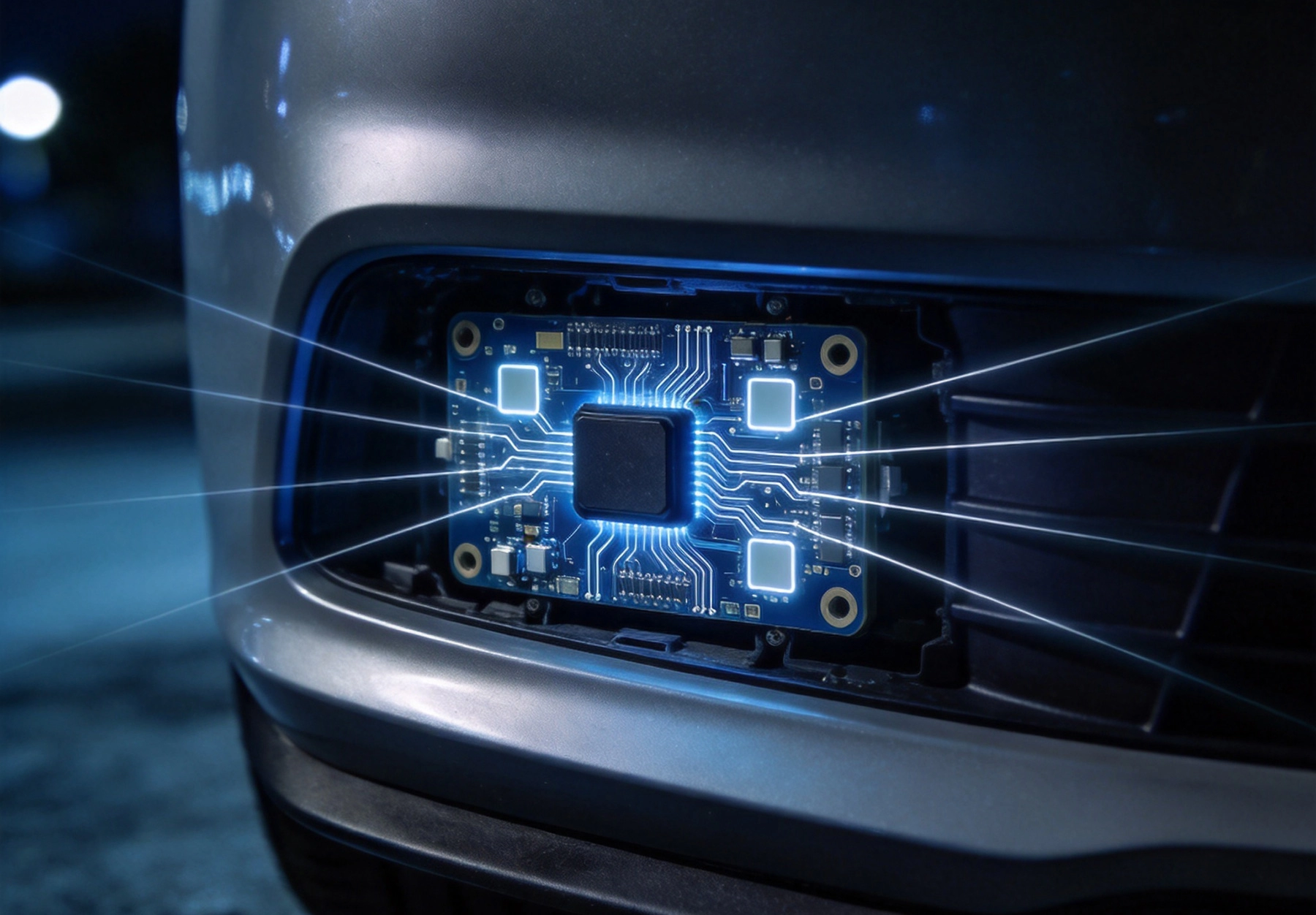
High Frequency PCB Materials for Automotive Radar: Durability and Speed September/26/2026 Automotive radar sits at a demanding intersection: the signals operate at 77-79 GHz, where every picosecond of propagation delay and every fraction of a decibel of insertion loss matters, while the physical environment is among the harshest in electronics — temperature swings from -40°C to +105°C,...
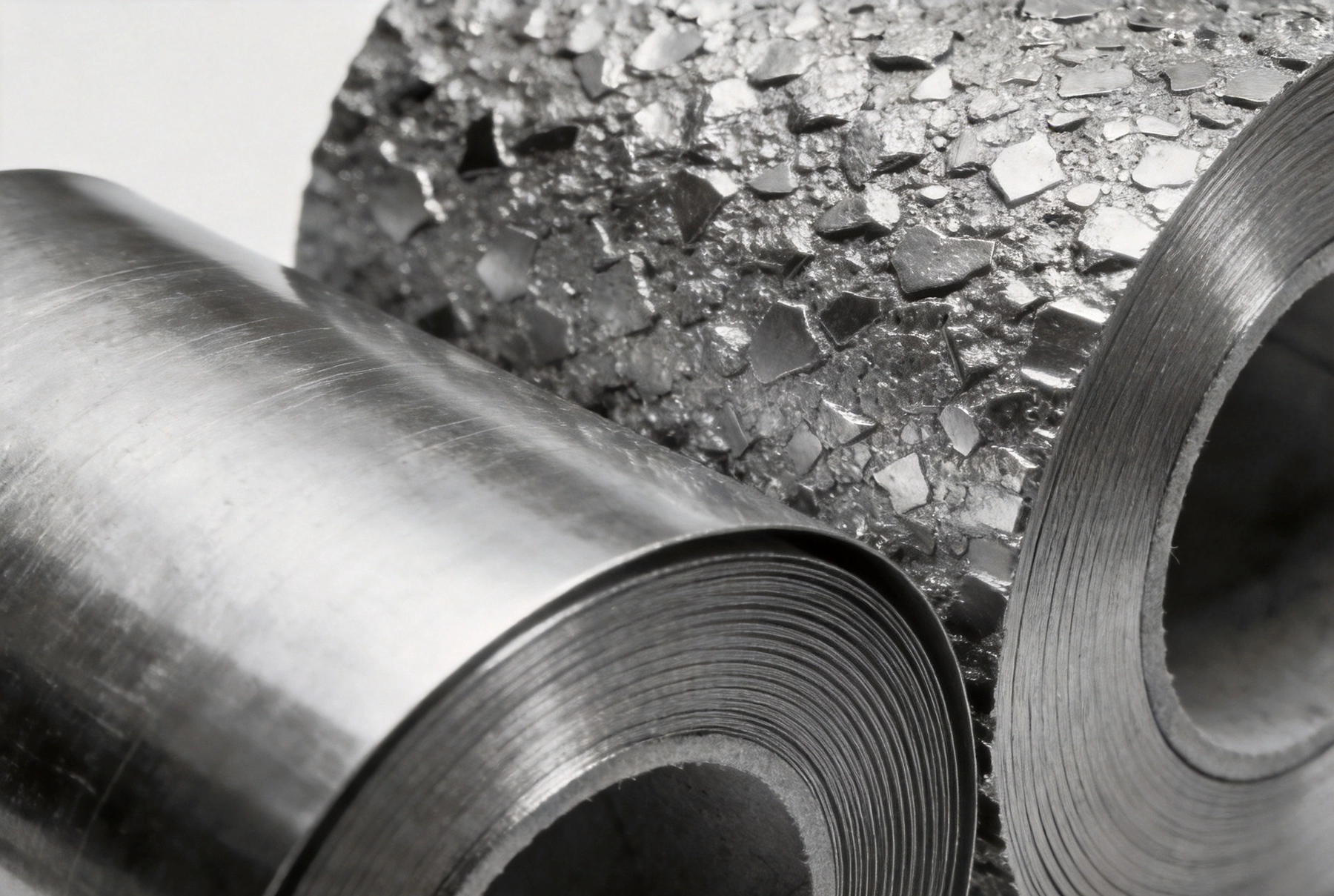
The Impact of Copper Foil Type on High Frequency PCB Materials Performance September/16/2026 In high frequency PCB design, the dielectric material typically receives most of the attention. Engineers spend considerable effort evaluating loss tangent, dielectric constant, and thermal stability of substrate materials. Yet the copper foil—the conductive medium that actually carries signals—is...
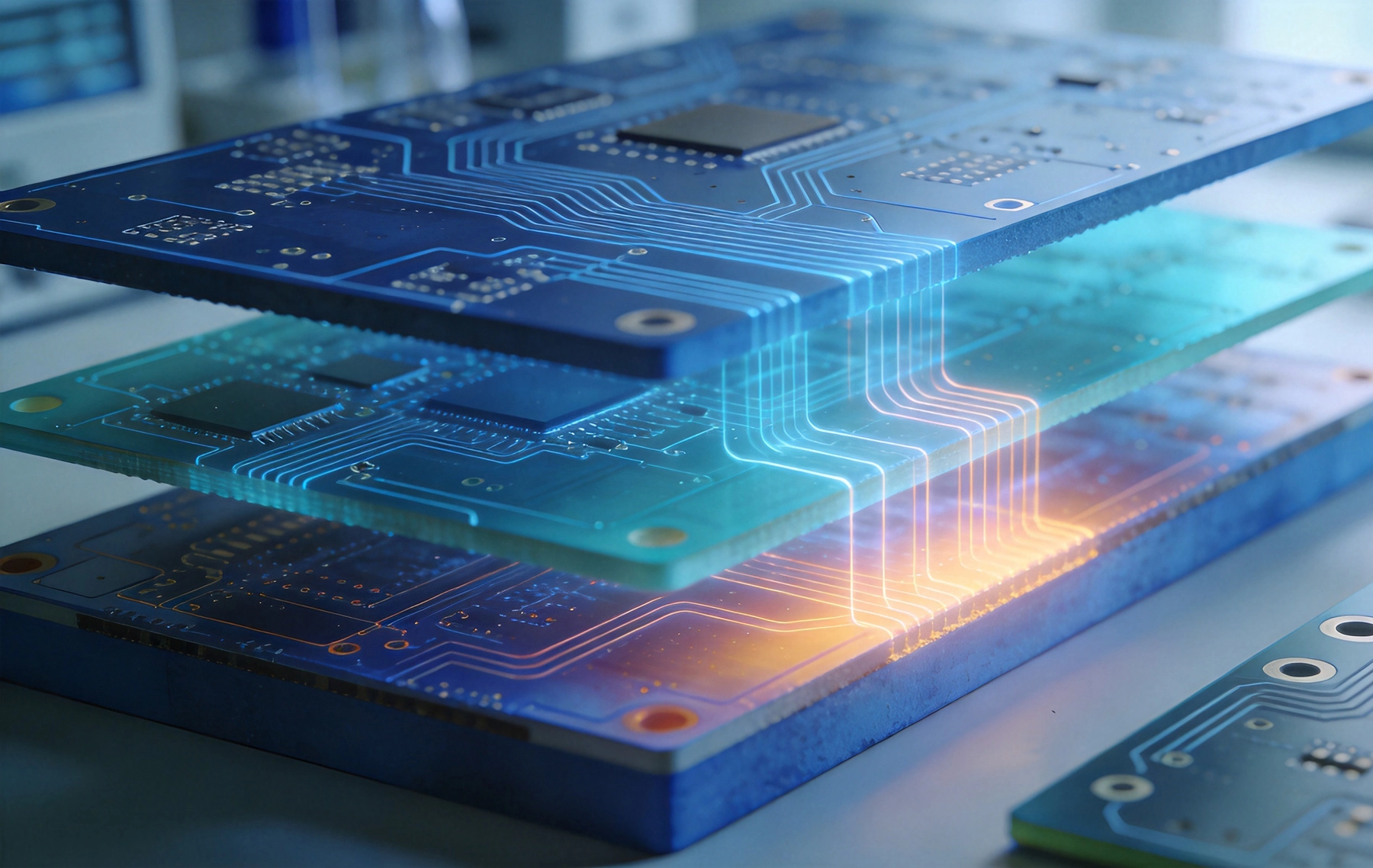
Cost vs. Performance: Selecting Budget-Friendly High Frequency PCB Materials September/04/2026 5G networks need more spectrum. Automotive radar needs higher resolution. Satellite communications need broader bandwidths. Every generation of wireless technology pushes the boundaries of what's possible with PCB materials. The problem: the materials that deliver the best high-frequency performan...
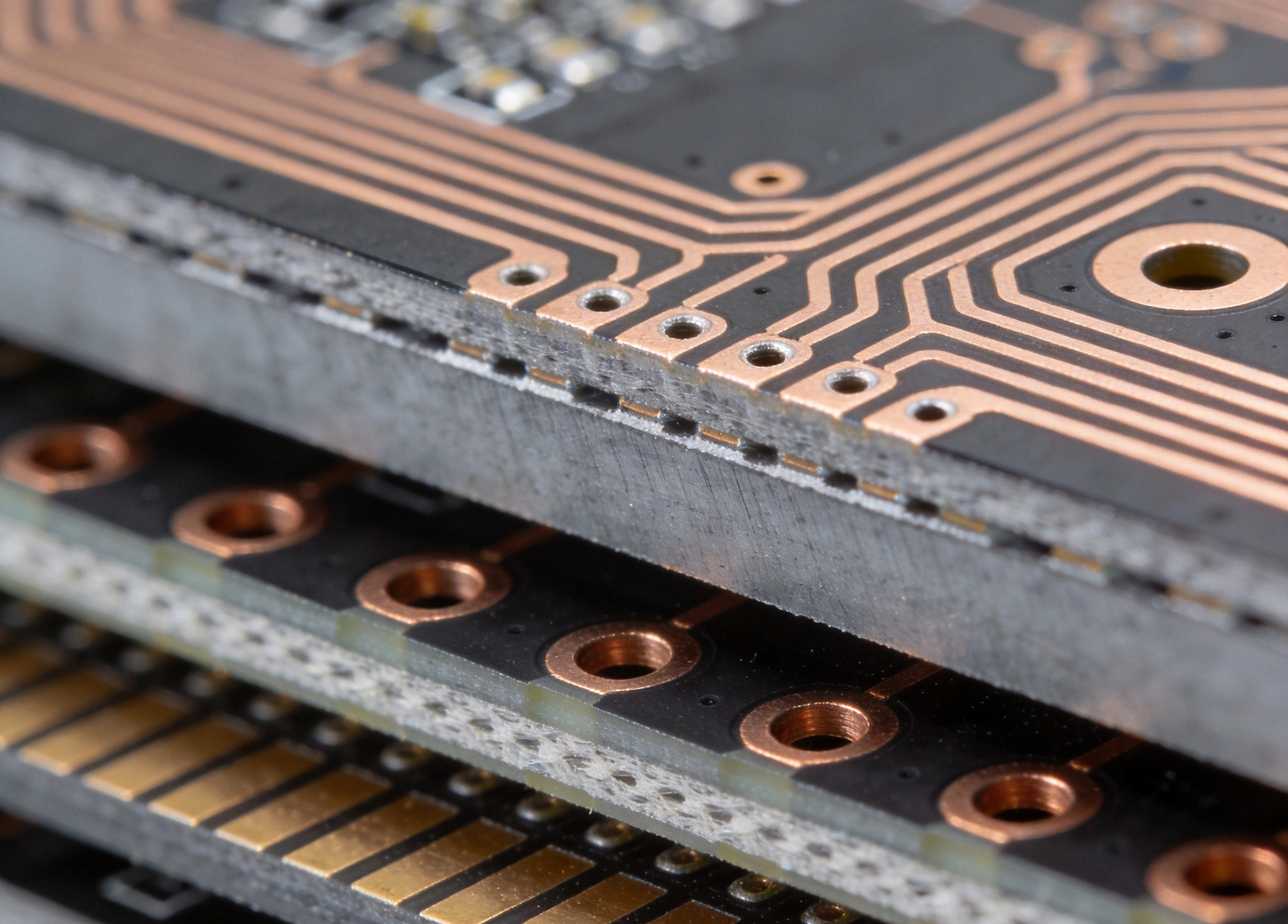
Understanding Thermal Stability in High Frequency PCB Materials August/10/2026 High frequency printed circuit boards operate in demanding thermal environments where material properties directly impact circuit performance and reliability. From 5G base station transceivers to automotive radar systems, RF and microwave circuits depend on stable dielectric characteristics across...

Top 5 High Frequency PCB Materials for 5G Base Station Applications July/30/2026 Fifth generation wireless technology demands more from printed circuit board materials than any previous cellular standard. 5G base stations operate at frequencies ranging from sub-6 gigahertz up to millimeter wave bands above 24 GHz, with future expansions pushing toward 100 GHz and beyond. At th...
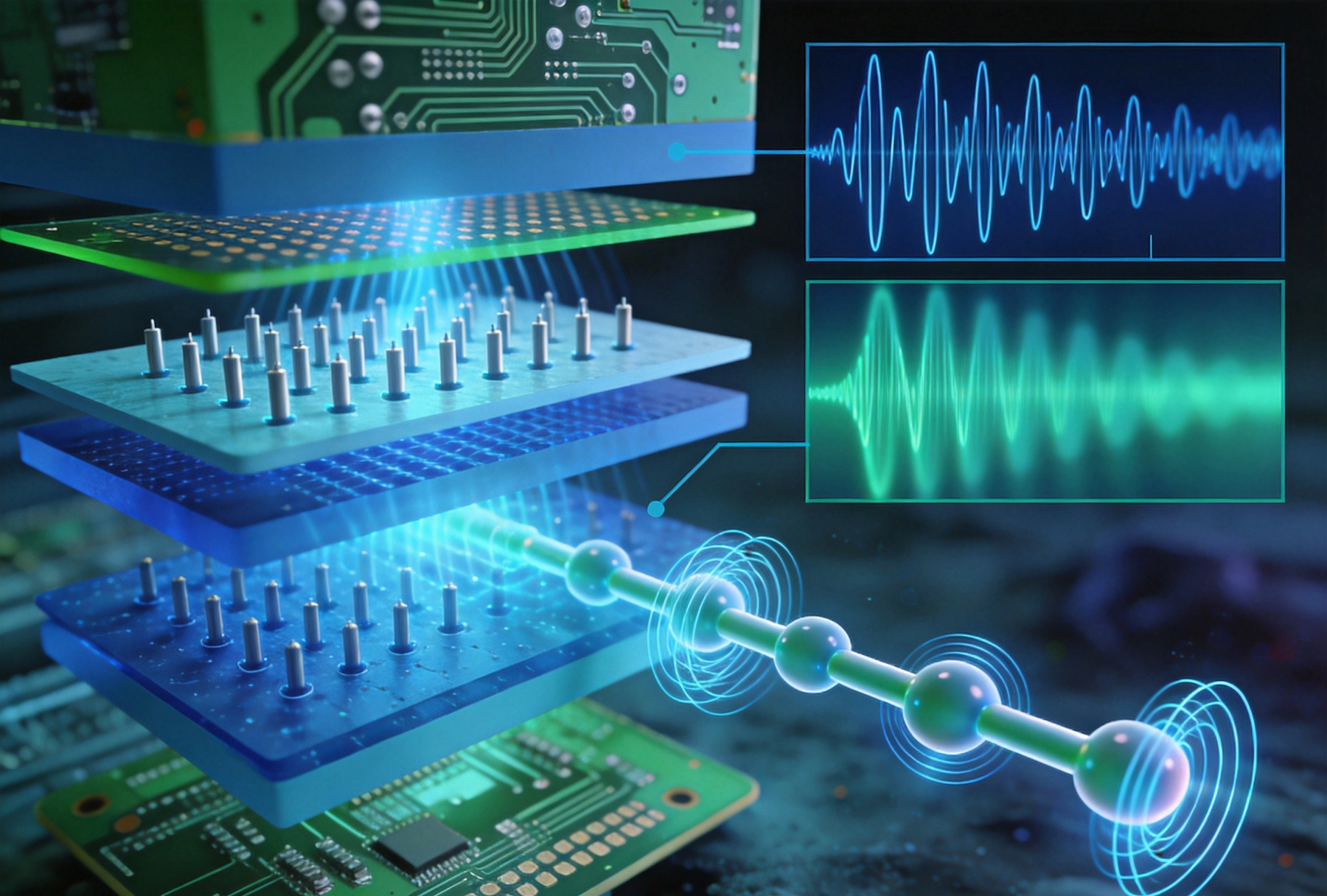
How Dielectric Constant (Dk) and Loss Factor (Df) Affect High Frequency PCB Materials July/18/2026 Every PCB substrate material influences how electrical signals propagate through copper traces, but at high frequencies this influence becomes the dominant factor determining whether a design succeeds or fails. The dielectric constant (Dk) and dissipation factor (Df) of PCB materials directly cont...
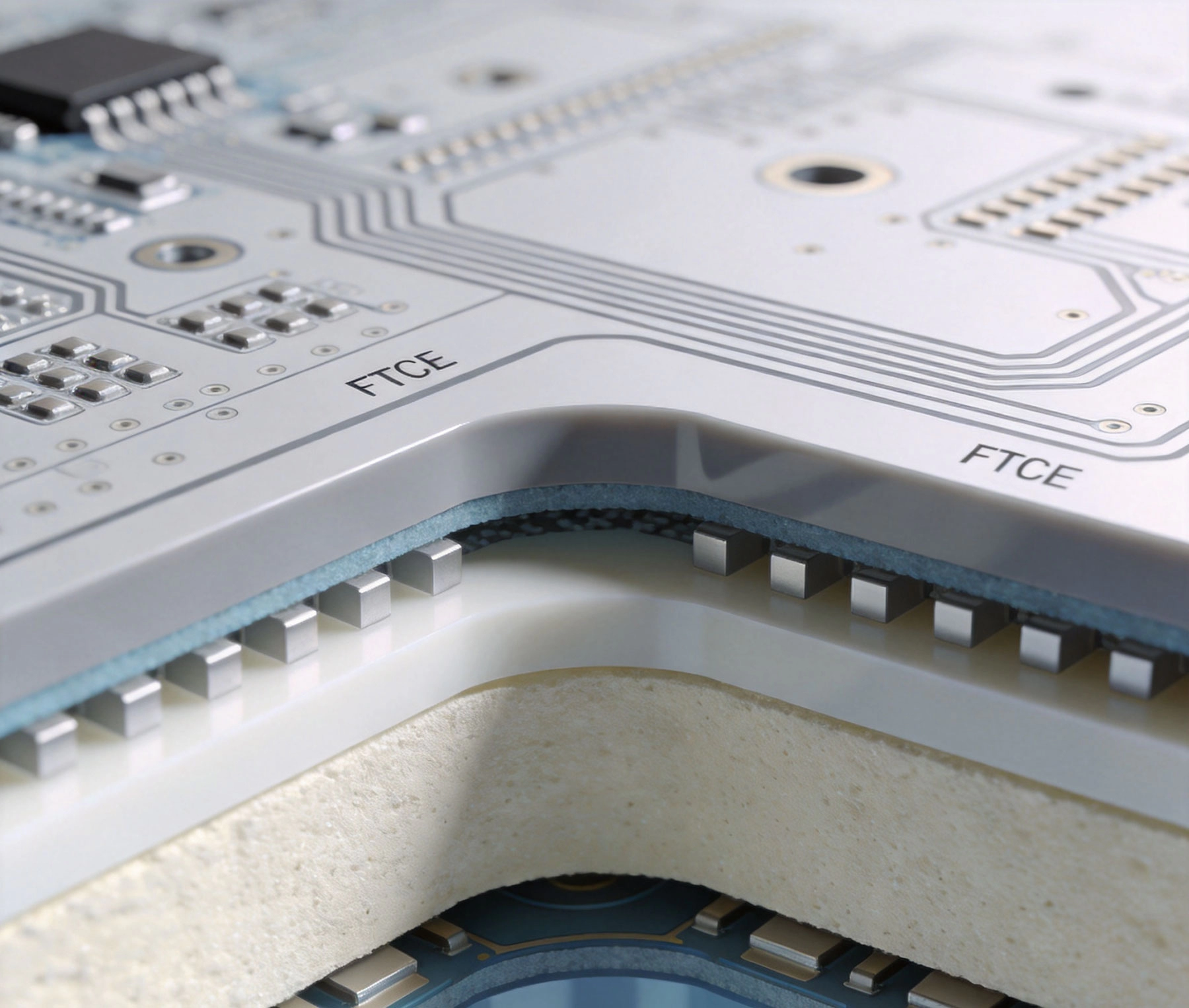
The Ultimate Guide to High Frequency PCB Materials: PTFE, Ceramic, and Hydrocarbon July/08/2026 When signals operate at frequencies measured in gigahertz, the choice of PCB material becomes as critical as the circuit design itself. At low frequencies, standard FR-4 fiberglass works adequately. But above 1 GHz, the electrical properties of your substrate start dictating performance. Signal lo...
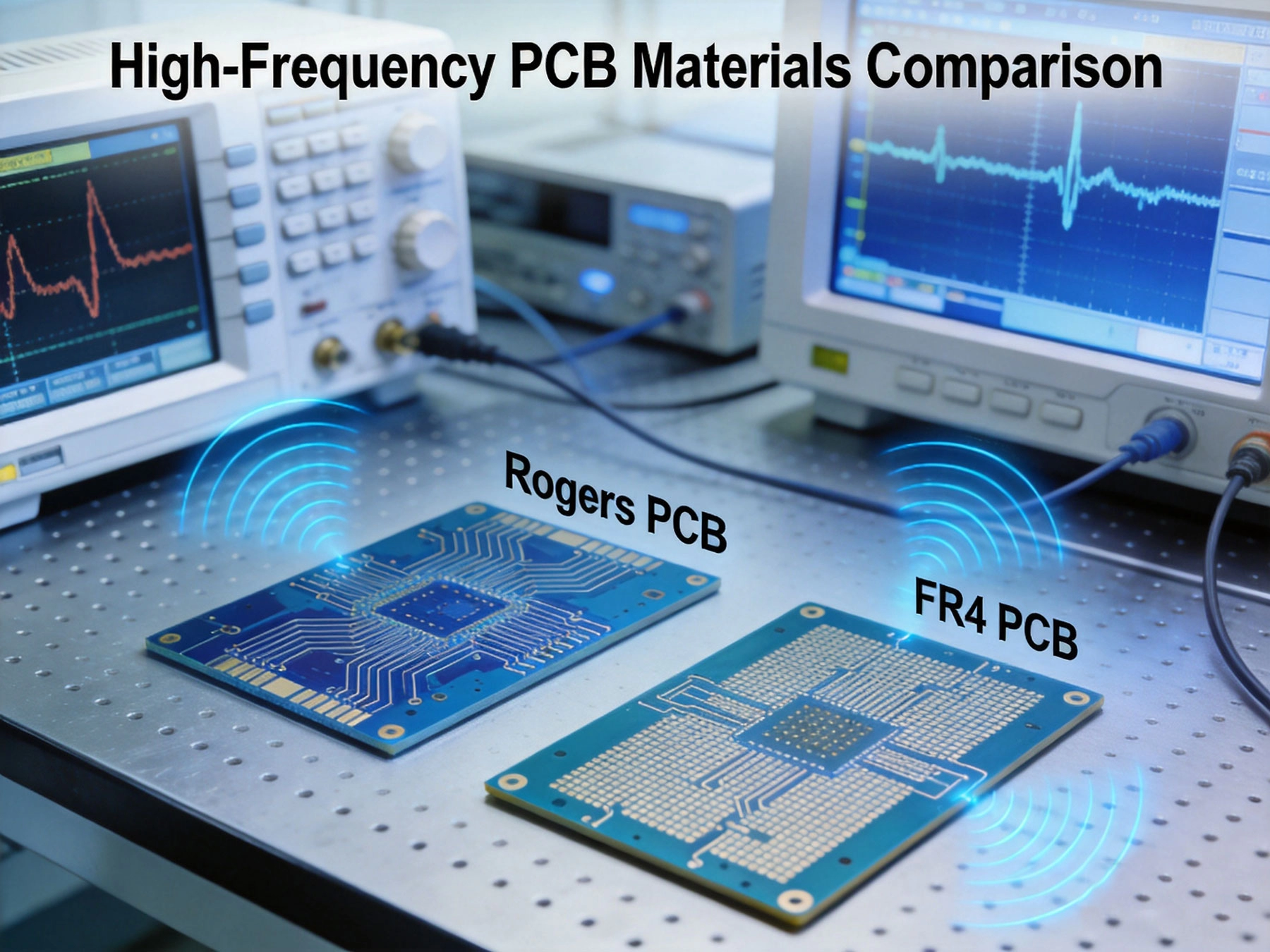
Rogers vs. FR4: Choosing the Right High Frequency PCB Materials June/12/2026 The printed circuit board sits at the heart of every electronic system, serving as the foundation upon which signal integrity either thrives or collapses. When your designs operate in the radio frequency (RF) and microwave spectrum—above 1 GHz—substrate selection becomes a critical decision that d...
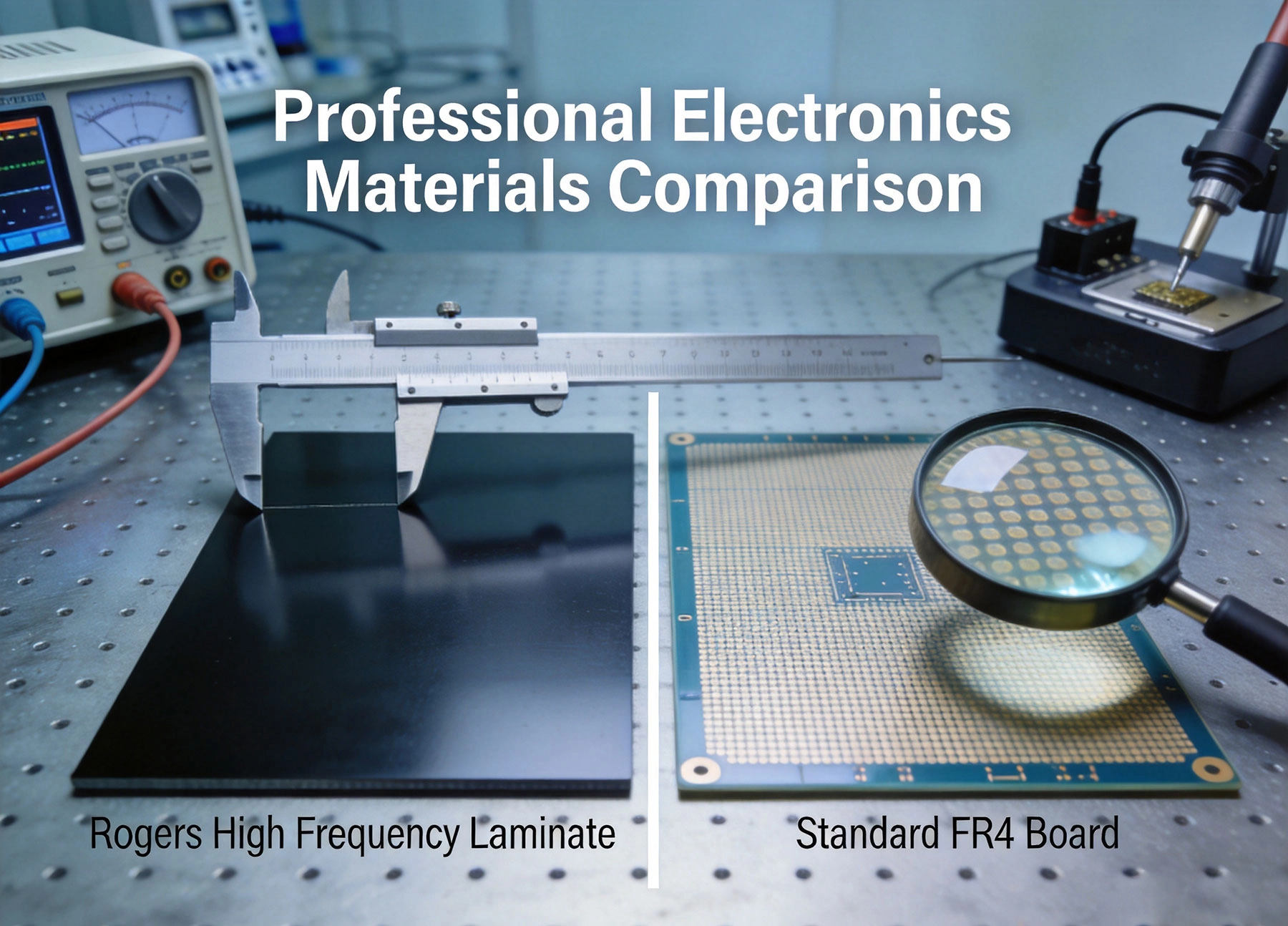
Choosing the Right High Frequency PCB Materials May/29/2026 When your designing high frequency PCBs, one of the first decisions you gotta make is what material to use. The choice between Rogers laminates and standard FR4 isn't always straightforward - it depends on your frequency requirements, budget constraints, and performance expectations. Making the wr...