Open Nav

High frequency PCBs represent a specialized segment of printed circuit board manufacturing where tolerances are tighter, material requirements are more demanding, and the cost of failure is significantly higher than standard PCB procurement. Whether you are designing 5G infrastructure, Automotive Radar systems, Satellite Communications equipment, or IoT devices with wireless connectivity, the manufacturer you choose directly determines whether your product performs reliably in the field or fails prematurely. This guide examines the seven most critical factors you must evaluate when selecting a high frequency PCB manufacturer for your RF and microwave applications.
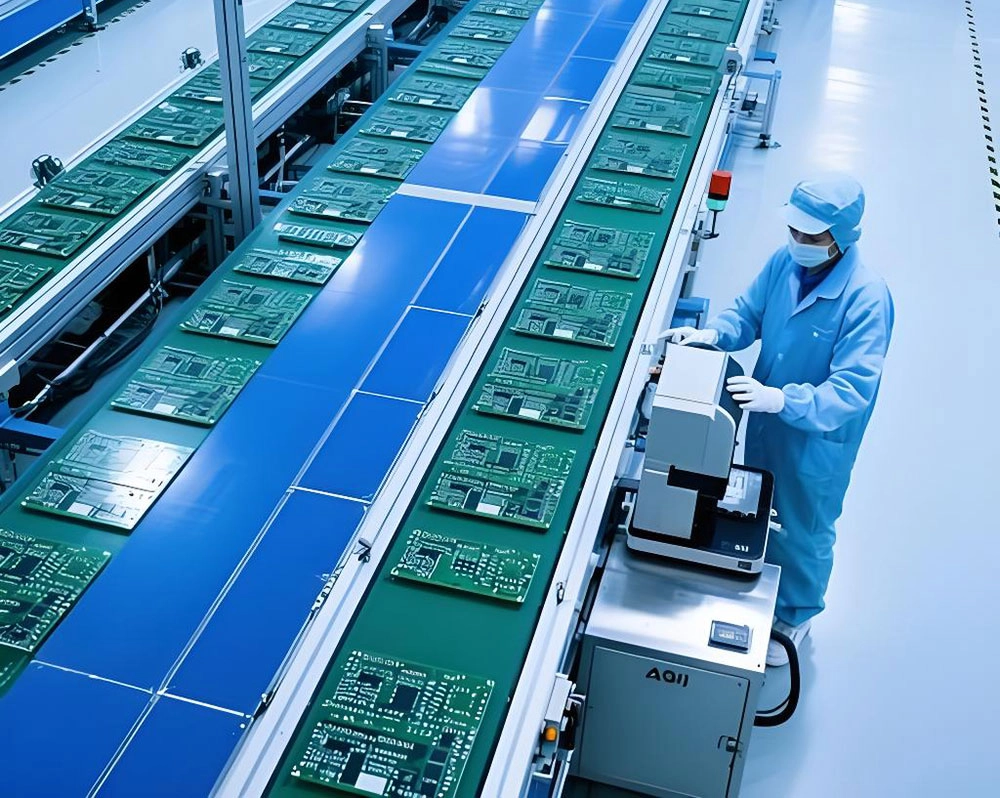
high frequency PCB manufacturing differs fundamentally from standard multilayer PCB production. The materials are different (low-loss dielectrics with controlled Dielectric Constant), the tolerances are tighter (Impedance Control often required at ±5% or better), and the consequences of quality failures are more severe (Signal Integrity issues that may not appear until field deployment).
high frequency pcb performance begins with material selection. The Dielectric Constant (Dk) and loss tangent (Df) of the substrate determine fundamental circuit characteristics including propagation delay, Characteristic Impedance, and signal attenuation.
Impedance Control is typically optional for standard digital PCBs, but it is non-negotiable for high frequency designs. At RF and microwave frequencies, Characteristic Impedance variations of even a few ohms can cause significant signal degradation.
| Application | Minimum Line/Space | Impedance Tolerance | Material Types |
|---|---|---|---|
| Consumer RF (Wi-Fi, BT, Zigbee) | 100/100 μm | ±10% | Standard Fr-4, mid-grade RF |
| IoT and Connectivity | 75/75 μm | ±7% | FR-4, hybrid RF |
| Automotive Radar (77GHz) | 50/50 μm | ±5% | Rogers, Taconic, hydrocarbon ceramic |
| 5G mmWave (28GHz+) | 50/50 μm | ±3-5% | Rogers ultra-low loss |
| Satellite and Aerospace | Custom | ±2-3% | Rogers, Ptfe composites |
| Evaluation Factor | Weight | Manufacturer A | Manufacturer B | Manufacturer C |
|---|---|---|---|---|
| Material Expertise | 25% | |||
| Impedance Control | 25% | |||
| Manufacturing Capability | 20% | |||
| Quality Certifications | 10% | |||
| Engineering Support | 10% | |||
| Process Control | 5% | |||
| Business Factors | 5% |
Selecting the right high frequency pcb manufacturer is one of the most consequential decisions in developing an RF or microwave electronic product. The seven factors outlined in this guide form the foundation of a comprehensive evaluation framework. Take time to evaluate multiple manufacturers, request prototypes, and validate them in your application.
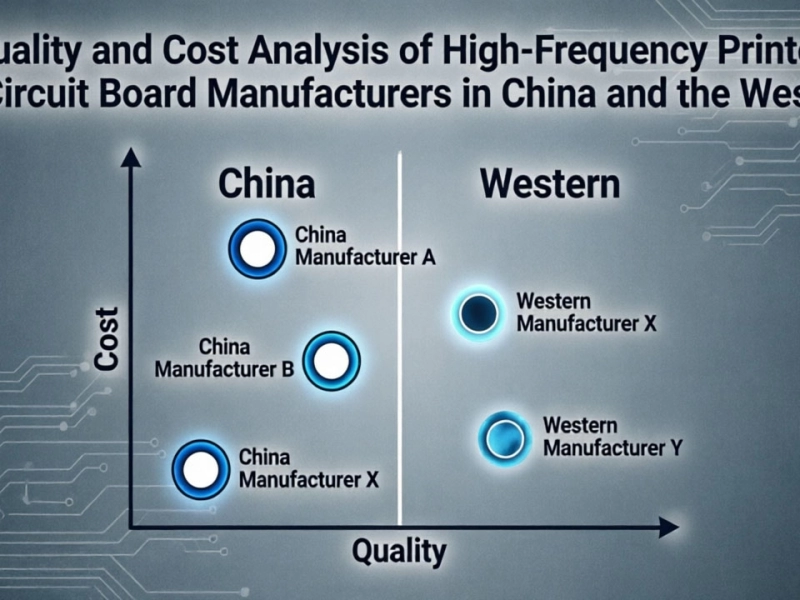
Quality and Cost Analysis of High-Frequency Printed Circuit Board Manufacturers in China and the WestJune/04/2026
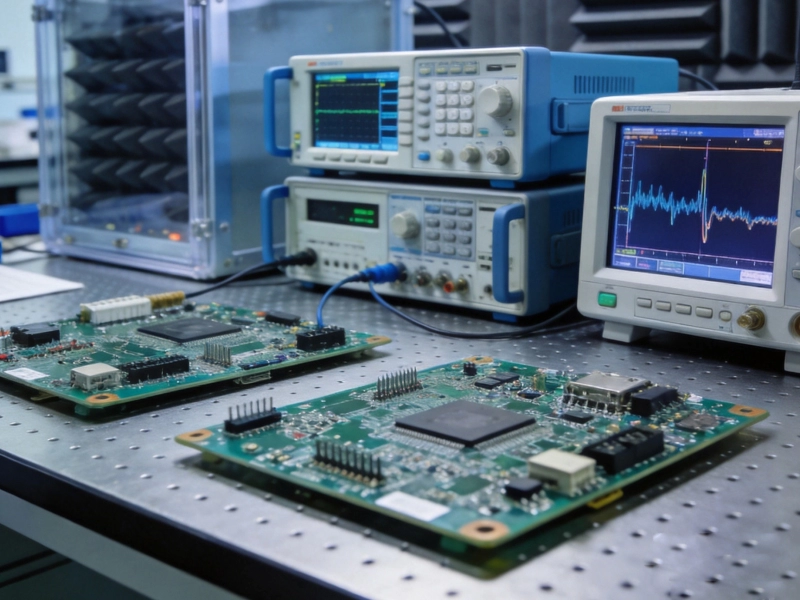
Case Study: How the Right High Frequency PCB Manufacturer Solved a Critical EMI IssueSeptember/09/2026

How High Frequency PCB Applications are Powering the AI Server RevolutionAugust/03/2026
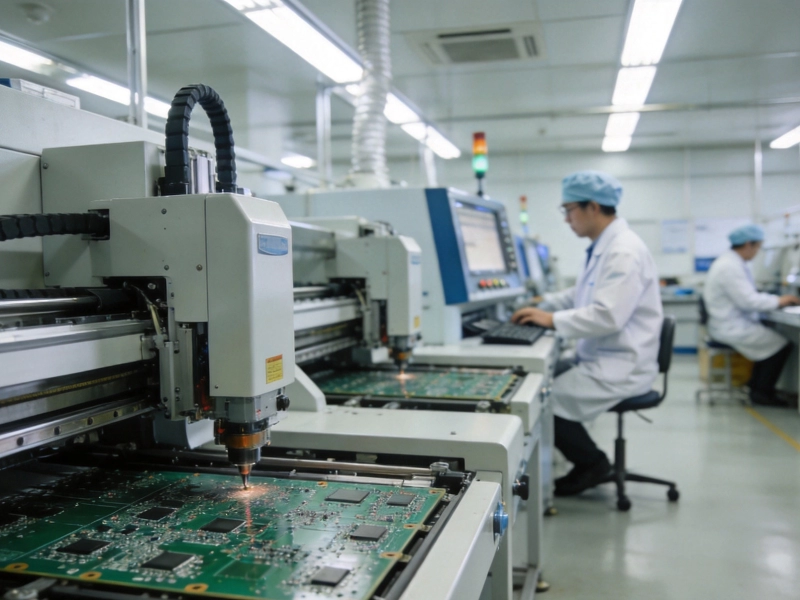
Top 5 Questions to Ask Your High Frequency PCB Manufacturer Before Placing an OrderAugust/14/2026

The Role of AI in Modern High Frequency PCB Manufacturing: Precision and EfficiencyJune/30/2026
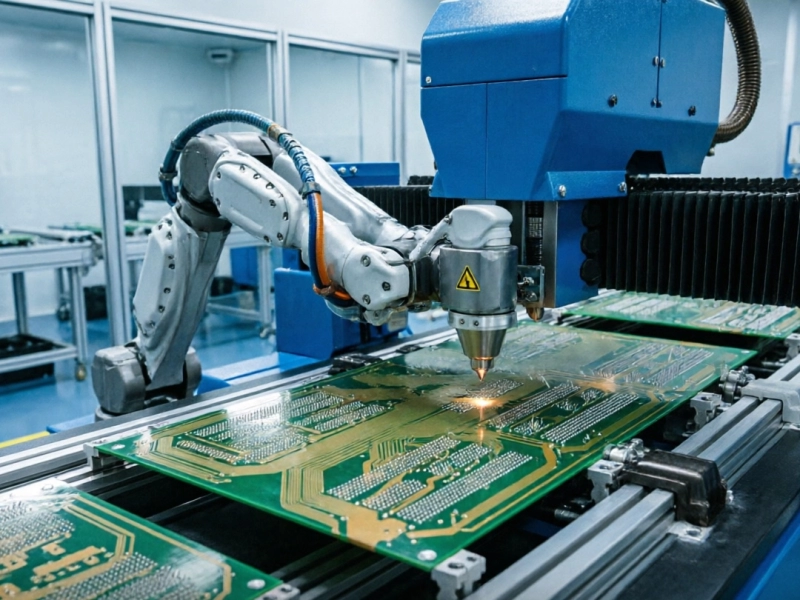
From Prototype to Mass Production: Scaling with a Reliable High Frequency PCB ManufacturerJuly/13/2026
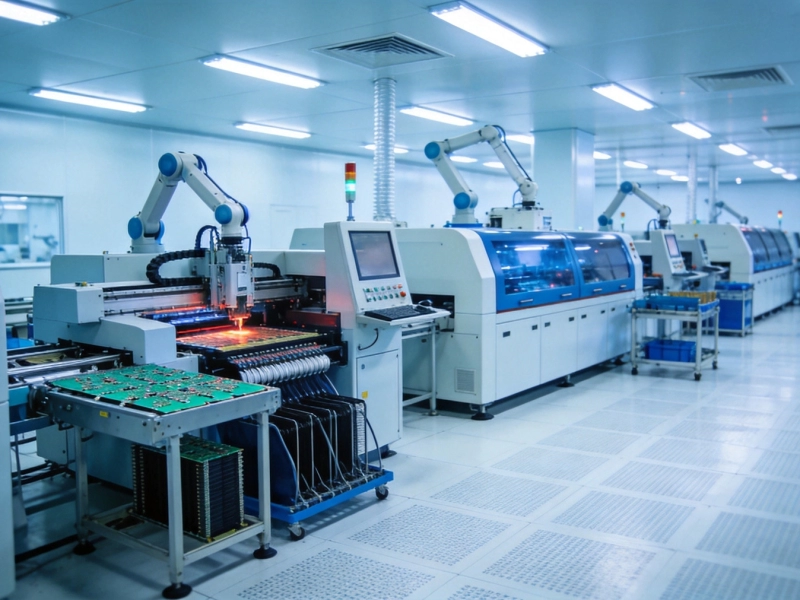
Inside the Factory: What to Look for in a High Frequency PCB Manufacturer's FacilityAugust/03/2026
Why Certifications Matter: IATF16949 and ISO Standards for Your High Frequency PCB ManufacturerJune/17/2026