
Selecting a high frequency PCB manufacturer requires more than reviewing capabilities on a website or comparing price quotes. The quality of your finished boards depends fundamentally on the manufacturing environment, equipment capabilities, and process controls in place at your partner's facility. Visiting a PCB factory in person provides insights that no sales literature can convey. You can observe how the operation actually runs, how staff interact with processes, and whether the facility maintains the standards that your applications demand. This article guides you through what to look for when evaluating a high frequency PCB manufacturing facility, helping you make informed decisions that protect your product quality and business relationships.
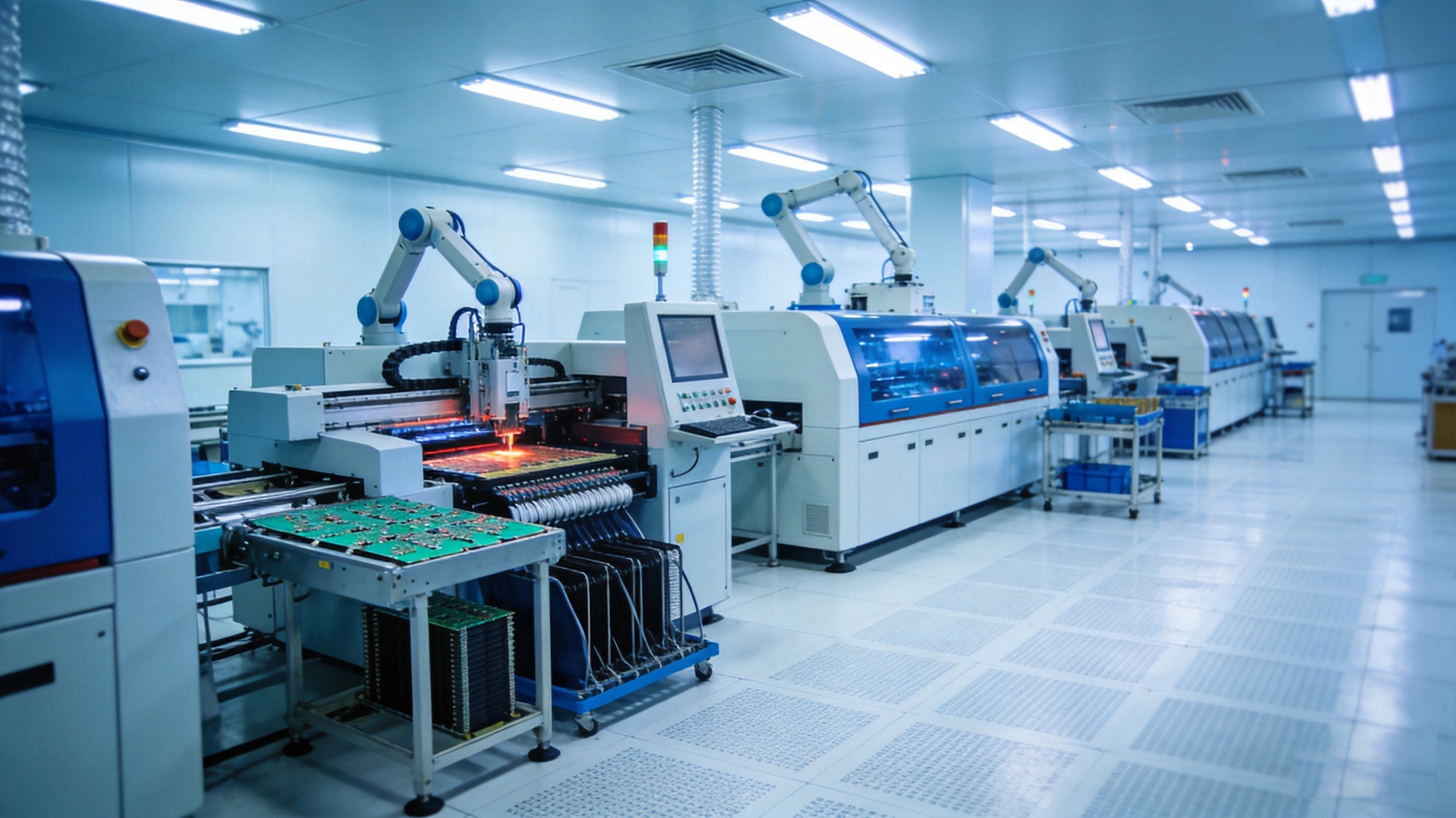
The moment you enter a manufacturing facility, you receive immediate sensory feedback about operational discipline. Is the facility clean or cluttered? Are work areas organized or chaotic? Does the environment feel controlled or improvised? These first impressions often prove accurate indicators of process discipline that correlates with manufacturing quality. high frequency pcb manufacturing requires precise process control, and that discipline typically extends to facility housekeeping.
Look for designated work areas with clear boundaries between process steps. Materials in process should flow in organized sequences rather than accumulating in random piles. Equipment should appear maintained and calibrated, with visible indicators of status. When you observe workers moving around obstacles or searching for tools, that inefficiency likely translates into quality variations and delivery delays that affect your orders.
The cleanliness of incoming material storage provides insight into material handling practices. Dielectric Materials and copper foils should be stored in controlled environments, off the floor, and protected from contamination. Evidence of materials stored in damp areas, exposed to direct sunlight, or accumulating dust suggests processes that may compromise the consistency of your High Frequency Materials.
high frequency pcb manufacturing for RF and microwave applications typically requires laser drilling for microvia formation. Carbon dioxide lasers for dielectric ablation and UV lasers for precision ablation both have roles in high frequency manufacturing. When evaluating laser equipment, ask about drill speed, minimum via diameter capability, and positioning accuracy. The most capable facilities achieve via diameters below 100 micrometers with positional accuracy within 20 micrometers.
Laser via quality inspection should be visible in production areas. Confocal microscopy or optical inspection systems that verify via geometry and cleanliness indicate process control commitment. Vias with irregular geometry, incomplete ablation, or contamination introduce reliability risks that surface inspection cannot detect.
Fine-line patterning for high frequency circuits requires advanced imaging equipment. Direct imaging systems with laser or LED exposure offer advantages over traditional photographic imaging, particularly for fine geometries and registration accuracy. Ask about minimum line and space capabilities—top-tier facilities achieve 2 mil lines with 2 mil spaces or tighter for critical RF structures.
Registration capability between layers determines the quality of blind and buried via structures common in complex high frequency designs. Automated optical inspection systems that verify registration before each lamination step indicate mature process control. Manual registration checks introduce variability that automated systems eliminate.
Copper plating quality directly affects the conductivity and reliability of high frequency circuits. Look for vertical连续电镀线 with precise chemistry control, or optimized水平电镀systems for specific applications. Automated analytical systems that monitor and adjust plating bath chemistry continuously provide more consistent results than manual titration methods.
For Rogers Laminates and other High Frequency Materials, plasma treatment before plating ensures adhesion without damaging the dielectric. Ask about surface preparation processes for high frequency materials specifically. Generic FR4 processes may not work correctly for specialty laminates, and facilities should have validated procedures for the specific materials they process.
Lamination equipment determines the consistency of dielectric thickness and registration in multilayer high frequency boards. Hydraulic presses with precise temperature and pressure control outperform pneumatic systems for critical high frequency applications. Look for equipment that maintains uniform pressure distribution across the full panel area, particularly for larger panel sizes.
For high frequency applications requiring Controlled Impedance, the consistency of lamination parameters directly affects impedance tolerance. Facilities should maintain documented lamination cycles with statistical process control on critical parameters. Temperature variation across the press platen should be specified and monitored.
Particulate contamination in high frequency Pcb Manufacturing creates defects that affect electrical performance. Air filtration systems should maintain cleanroom or near-cleanroom conditions in critical process areas. Look for HEPA filtration, positive pressure differential between clean areas and general manufacturing, and air shower entry systems for sensitive production zones.
Temperature and humidity control prevents dimensional variations that affect impedance consistency. High frequency facilities should maintain temperature within plus or minus 2 degrees Celsius and relative humidity between 40 and 60 percent in production areas. Automated monitoring with alarm systems indicates commitment to environmental control that manual spot checks cannot match.
How materials move through the facility affects contamination risk. Look for designated pathways that separate incoming materials from completed boards. Conveyor systems that protect boards during transfer between processes prevent handling damage. Glove use and other personal protective equipment requirements indicate awareness of contamination risks.
For high frequency materials that absorb moisture, baking procedures before lamination should be visible and documented. Moisture-induced delamination and voiding create reliability failures that are expensive to resolve. Facilities should have dedicated ovens with temperature and time logging for moisture removal processes.
Established manufacturers maintain documented process parameters for each product type they produce. Ask to see the documentation system that controls manufacturing instructions. Process travelers that accompany boards through production should identify critical parameters and acceptance criteria for each step. The ability to trace a finished board back through its complete manufacturing history demonstrates quality system maturity.
Statistical process control on critical parameters indicates continuous improvement culture. Charts showing process capability indices for Impedance Control, plating thickness, and registration demonstrate that the facility monitors and maintains its processes. Facilities that can show Cpk values above 1.33 for critical parameters have demonstrated process control that translates to consistent quality.
A comprehensive inspection department with trained technicians indicates commitment to quality verification. Automated optical inspection systems should be visible in production flow, catching defects before they propagate to subsequent steps. For high frequency applications, impedance testing with time domain reflectometry should be available with measurement accuracy documented.
Cross-section capability for metallurgical analysis indicates investment in quality verification. Facilities that can prepare and examine cross-sections internally provide faster feedback on process issues than those that must send samples to external laboratories. Cross-section results should be documented and compared against acceptance criteria.
Iso 9001 certification provides baseline quality system requirements. For high frequency applications serving automotive, medical, or aerospace markets, industry-specific certifications like IATF 16949, ISO 13485, or AS9100 indicate deeper quality system investment. Ask about the scope of certification—what processes and products are covered—to ensure your applications are included.
UL listing for Pcb Materials and finished boards indicates safety certification for specific performance characteristics. Military and defense applications may require ITAR registration or specific MIL-PRF compliance. Verify that certifications cover the specific requirements of your applications rather than accepting generic certifications.
Capable high frequency manufacturers offer Dfm review services that catch potential problems before fabrication begins. Look for engineering staff available to review your designs and provide feedback on manufacturability. This interaction should include specific recommendations for design improvements rather than generic warnings about capability limits.
Dfm software tools that integrate with popular CAD formats indicate investment in efficient design transfer. Facilities that require manual file preparation or conversion may introduce errors that automated systems prevent. Ask about the design transfer process and what file formats they prefer for maximum compatibility.
For high frequency applications, material selection significantly impacts performance and cost. Experienced manufacturers can recommend appropriate materials based on frequency requirements, thermal demands, and budget constraints. Look for staff who understand the tradeoffs between Rogers, Taconic, Isola, and other high frequency materials rather than defaulting to premium options.
Stocking programs for common high frequency materials indicate commitment to quick-turn capabilities. Facilities that maintain inventory of popular laminates can respond faster than those that must source materials for each order. Ask about standard material stock and lead time implications of non-standard material requirements.
When problems occur, the response from the manufacturer significantly affects your ability to meet commitments to your customers. Ask about escalation procedures and what level of engineering support is available when issues arise. Facilities should provide root cause analysis for quality failures and corrective action plans that prevent recurrence.
Communication practices during production indicate operational transparency. Regular status updates, proactive notification of issues, and clear documentation of non-conformances demonstrate customer focus. Ask about their approach to communicating with customers and what information they provide during production.
Understanding the production scale a facility can support ensures alignment with your business growth. Ask about panel sizes and maximum layer counts they can produce. Minimum and maximum order quantities that maintain economic viability indicate the range of business they can serve effectively.
Lead time capabilities for standard and expedited orders help plan your supply chain. Facilities with excess capacity can respond to urgent requests more readily than those running near capacity. However, facilities running near capacity may have invested more in process optimization to maximize throughput.
Manufacturing technology continues advancing, and facilities that invest in capability improvement stay competitive. Ask about recent equipment investments and planned upgrades. Facilities that have not updated equipment in several years may fall behind capability leaders in critical technologies.
Partnerships with material suppliers and equipment manufacturers indicate industry relationships that can benefit your programs. Access to new materials, early adoption of process improvements, and involvement in technology development initiatives suggest a forward-looking culture rather than maintenance-mode operations.
Should I request a facility tour before placing an order?
Yes, touring the facility provides insights that written capabilities cannot convey. You can observe actual process conditions, meet the people who will handle your orders, and assess operational discipline that correlates with quality consistency. Most reputable manufacturers welcome facility tours and may offer them as part of their qualification process for new customers.
What questions should I ask during a facility visit?
Ask about their experience with your specific technology requirements—materials, layer counts, and tolerance specifications. Inquire about their quality metrics including first-pass yield, on-time delivery, and customer returns. Request information about their engineering support capabilities and how they handle problems when they occur. Ask about their capacity and lead time capabilities for your order volumes.
How can I verify claims about equipment and capabilities?
Request demonstrations of critical equipment and processes. Ask to see actual process capability data for capabilities that are important to your application. Request samples from previous orders with similar requirements. Contact references from customers with similar applications to verify that the facility delivers on its commitments.
What red flags should I watch for during a facility tour?
Signs of operational chaos—disorganized work areas, stressed workers, equipment in disrepair—suggest quality control problems. Reluctance to show production areas, vague answers about process control, or inability to provide documentation of capability claims warrant additional investigation. Facilities that are defensive about questions or unwilling to provide references may have something to hide.
How do I assess the cultural fit between my requirements and the manufacturer's focus?
Talk with multiple levels of the organization—from sales representatives to production supervisors to quality engineers. Assess whether their communication style matches your preferences and whether they ask questions about your requirements or simply push their standard capabilities. The best partnerships involve mutual understanding of expectations and consistent execution against commitments.
Visiting a High Frequency Pcb Manufacturer's facility provides essential information for making informed sourcing decisions. The equipment, processes, quality systems, and people you observe during a facility tour reveal the true capabilities that underlie price quotes and marketing materials. By knowing what to look for, you can assess whether a potential partner has the discipline, capabilities, and commitment to quality that your applications require.
The investment in thorough facility evaluation pays returns through improved quality consistency, better communication, and stronger problem-solving partnerships. When manufacturing challenges arise—and they inevitably will—your relationship with a well-qualified partner makes the difference between stressful crisis management and collaborative problem resolution.
Approach facility evaluation as an ongoing relationship rather than a one-time transaction. The best manufacturer-customer relationships evolve through continuous learning and improvement. Select partners who demonstrate commitment to your success, not just their own production efficiency. In the competitive landscape of high frequency Pcb Manufacturing, differentiation comes through partnership value that extends far beyond the unit price of individual boards.

The Role of AI in Modern High Frequency PCB Manufacturing: Precision and EfficiencyJune/30/2026
7 Key Factors to Consider When Choosing a High Frequency PCB ManufacturerMay/29/2026
From Prototype to Mass Production: Scaling with a Reliable High Frequency PCB ManufacturerJuly/13/2026

How High Frequency PCB Applications are Powering the AI Server RevolutionAugust/03/2026
Top 5 Questions to Ask Your High Frequency PCB Manufacturer Before Placing an OrderAugust/14/2026
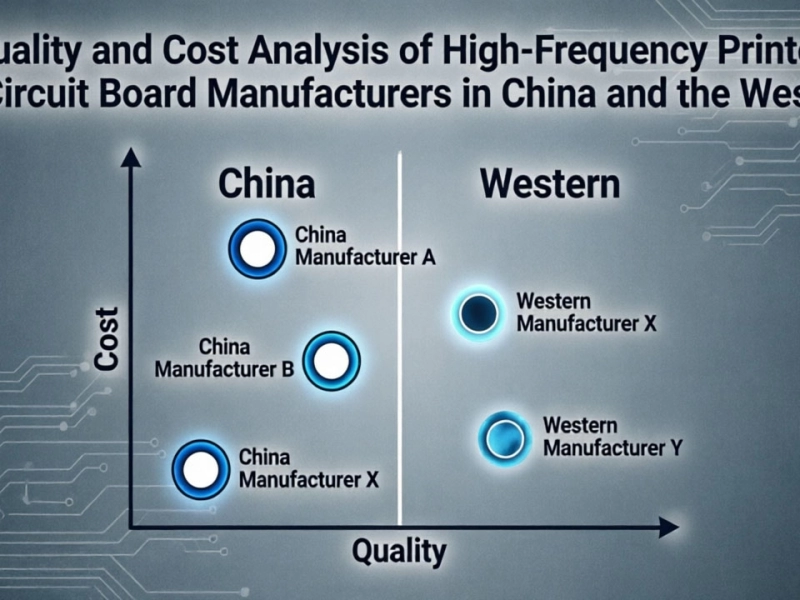
Quality and Cost Analysis of High-Frequency Printed Circuit Board Manufacturers in China and the WestJune/04/2026
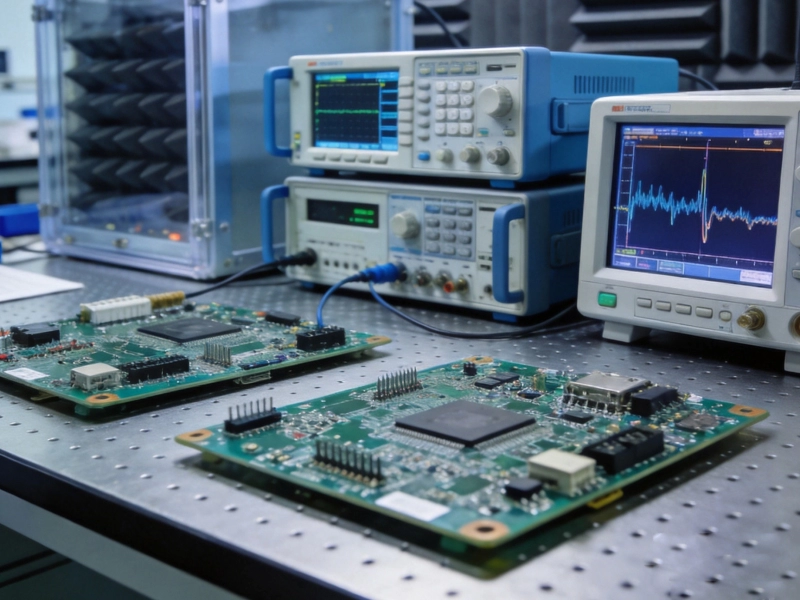
Case Study: How the Right High Frequency PCB Manufacturer Solved a Critical EMI IssueSeptember/09/2026
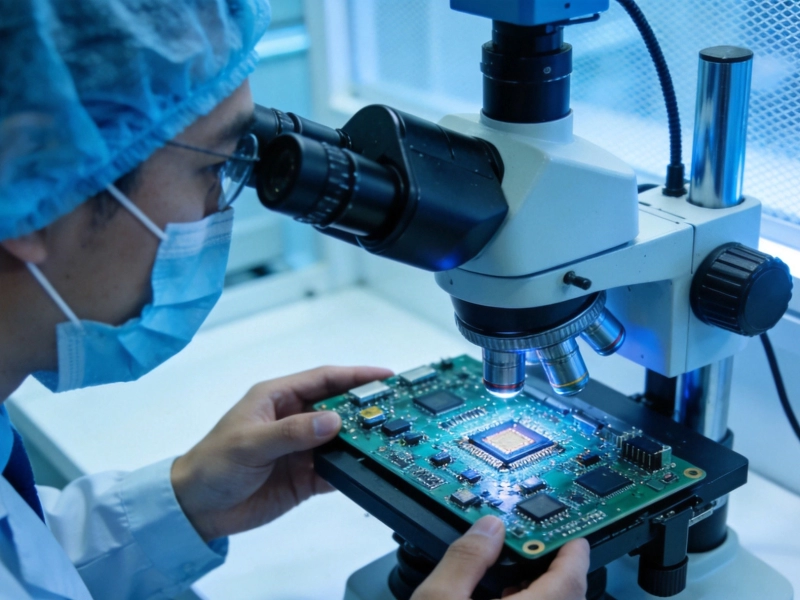
How to Vet a High Frequency PCB Manufacturer for 5G and Millimeter Wave ProjectsJuly/25/2026