
Developing high frequency electronics demands precision at every stage—from initial concept through prototype validation to production deployment. The complexities of RF and Microwave Circuit Design, combined with the demanding manufacturing requirements of high-frequency laminates, create development challenges that conventional Pcb Prototype services struggle to address. Turnkey high frequency PCB prototype services have emerged as the solution that engineering teams increasingly rely upon, consolidating specialized expertise, advanced capabilities, and streamlined processes into single-source partnerships that accelerate development timelines while ensuring the quality that RF applications demand.
The transition from concept to validated prototype represents the highest-risk phase of RF development. Design assumptions must be tested against reality. Manufacturing capabilities must be verified against design requirements. Performance predictions must be validated through measurement. Each step presents opportunities for delays, cost overruns, and quality issues that threaten development schedules. Turnkey services that address the complete prototype lifecycle help engineering teams navigate these challenges efficiently, maintaining momentum through critical development phases.
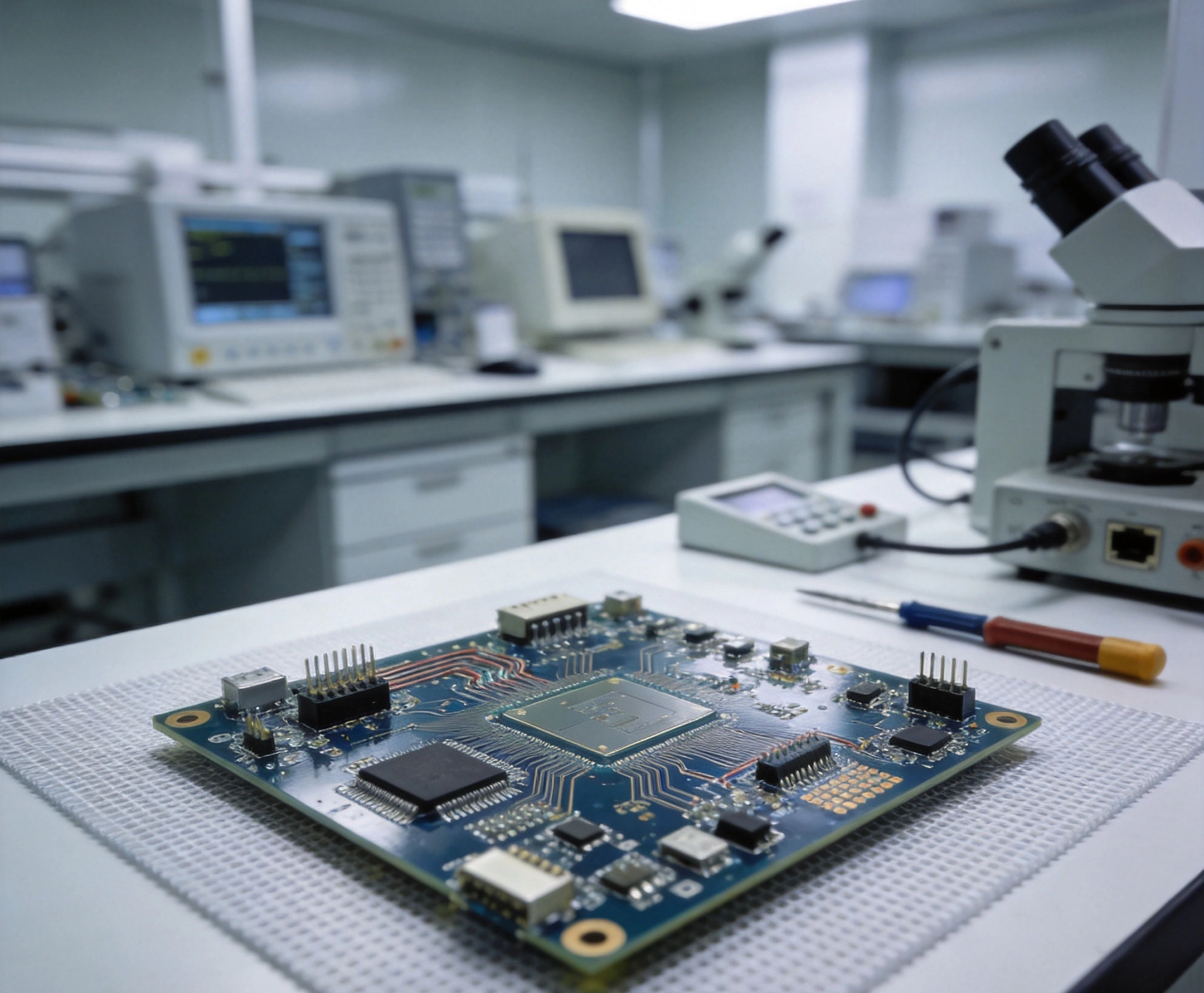
high frequency PCB development imposes requirements that distinguish it fundamentally from conventional digital electronics. Understanding these requirements illuminates why turnkey approaches prove particularly valuable for RF applications.
high frequency pcb materials differ dramatically from standard FR4 in both electrical and mechanical properties. The Dielectric Constant of high-frequency laminates—typically ranging from 2.1 for PTFE materials to 10+ for some ceramic composites—must be tightly controlled to achieve predictable impedance behavior. Dissipation Factor at RF frequencies determines Signal Loss characteristics that directly impact system performance and range.
Material selection involves trade-offs between electrical performance, manufacturing compatibility, and cost. PTFE materials offer excellent electrical properties but present manufacturing challenges including poor adhesion, high thermal expansion, and difficulty with standard processing. Ceramic-filled composites provide middle-ground performance with more manufacturing-friendly characteristics. Navigating these trade-offs requires expertise that turnkey providers with deep high-frequency experience can offer.
Rf Circuits are inherently more sensitive to manufacturing variations than digital circuits. Impedance tolerances of 5% or tighter demand trace width control that exceeds standard fabrication capabilities. Dimensional tolerances on spacing, registration, and layer alignment affect coupling, radiation, and impedance in ways that digital circuits would ignore. Understanding which tolerances actually matter for specific applications—and which can be relaxed—requires the kind of application-specific expertise that turnkey providers develop through repeated prototype experience.
The consistency of high-frequency PCB properties extends beyond individual board fabrication to across-batch and across-supplier variations. Material lot-to-lot differences in Dielectric Constant, copper roughness, and laminate thickness all affect RF performance. Turnkey services with established material qualification processes address these variations systematically, ensuring that prototype boards reflect production capabilities.
Rf Pcb design involves electromagnetic simulation, impedance calculations, and layout optimization that exceed the scope of digital design tools. Transmission Line effects, via transitions, grounding strategies, and component parasitics all require careful attention that general-purpose PCB designers may lack. The gap between RF simulation predictions and actual measured performance often exceeds expectations, requiring prototype iterations that reveal simulation limitations.
Verification of high-frequency PCB prototypes requires measurement capabilities that many development teams lack. Network analyzers, time-domain reflectometry, and RF probe stations represent significant capital investments. Even teams with measurement equipment may lack the calibration expertise and measurement techniques that accurate RF characterization demands. Turnkey services with integrated testing capabilities bridge this gap, providing measurement validation alongside prototype fabrication.
Consolidating high-frequency prototype capabilities under single-source turnkey services provides advantages that fragmented multi-vendor approaches cannot match.
Turnkey high-frequency prototype services combine manufacturing expertise with application knowledge that enables proactive design consultation. Providers experienced with RF applications recognize potential problems during design review—trace geometry that will cause excessive radiation, grounding schemes that create unwanted coupling, material selections that complicate manufacturing—before these issues manifest in prototype failures. This proactive consultation represents valuable expertise that improves prototype success rates.
The integration of expertise extends through the prototype lifecycle. Design engineers can discuss RF simulation results with manufacturing engineers who understand how fabrication processes affect electrical performance. Measurement results can be reviewed alongside process documentation that explains observed variations. This integrated perspective enables learning that fragmented supplier relationships cannot support.
Managing multiple vendors for high-frequency prototypes—material supplier, fabricator, assembly house, test service—creates communication overhead that consumes engineering resources while introducing delays and misinterpretation risks. When problems occur, determining whether issues originate in design, materials, fabrication, or assembly requires coordination across vendors that turnkey services eliminate. Single-source accountability simplifies problem resolution while accelerating learning from experience.
Streamlined communication proves particularly valuable during the iterative cycles that prototype development inevitably requires. Design modifications flow directly to fabrication without translation through multiple handoffs. Feedback from testing informs manufacturing adjustments without administrative friction. This communication efficiency compresses development timelines while reducing the risk of errors that handoffs introduce.
Engineering teams accomplish more when focused on technical challenges rather than procurement and logistics management. Turnkey services shift administrative overhead—purchase orders, vendor coordination, quality documentation, delivery tracking—from engineering to service providers optimized for these functions. This shift liberates engineering resources for technical work while ensuring that administrative functions receive appropriate professional attention.
Documentation requirements for high-frequency prototypes can be substantial. Material certifications, process parameters, test reports, and traceability records all require generation, collection, and organization. Turnkey services with established quality systems provide documentation efficiently, avoiding the ad-hoc approaches that fragmented vendor management produces.
Effective turnkey high-frequency prototype services structure engagement to address the complete development lifecycle efficiently.
Early engagement between engineering teams and prototype service providers yields significant benefits. Design review sessions identify potential manufacturing concerns, material recommendations, and tolerance requirements before fabrication. This consultation leverages provider experience across many similar projects, offering insights that individual design teams cannot develop independently without extensive iteration.
Initial consultation should address the complete specification envelope—frequency range, power levels, impedance requirements, physical constraints, environmental conditions, and production volume expectations. Understanding the full application context enables providers to offer recommendations calibrated to actual requirements rather than generic specifications that may over-constrain the design.
Material selection for high-frequency prototypes balances electrical performance against manufacturing feasibility and cost. The expertise that turnkey providers offer in this selection directly impacts prototype success. Providers with established relationships with high-frequency laminate manufacturers can advise on material availability, lead times, and cost implications. Manufacturing process recommendations—whether standard Controlled Impedance, specialized RF processes, or advanced PTFE handling—enable design optimization for producibility.
Process selection extends to test and verification approaches. Some prototypes warrant extensive testing that validates performance across all specifications. Others focus verification on critical parameters while accepting less comprehensive testing. Turnkey providers can advise on appropriate verification approaches based on prototype objectives, helping engineering teams balance thoroughness against schedule and cost constraints.
High-frequency PCB Fabrication requires specialized processes that standard fabrication houses may not offer. Controlled Impedance processes, PTFE laser routing, blind and buried via formation, and surface preparation for PTFE materials all require capabilities that differentiate RF-capable fabricators from general-purpose shops. Turnkey services ensure that these specialized capabilities are available without requiring separate vendor qualification.
Assembly of high-frequency prototypes may require attention beyond standard Smt processes. RF connectors, coaxial launches, and specialized components demand handling expertise that general assembly houses may lack. Turnkey services with RF assembly experience provide this capability, avoiding the delays and quality issues that component mounting problems introduce.
Prototype Testing provides the feedback that validates design decisions and informs subsequent iterations. Turnkey services with integrated testing capabilities offer significant advantages—measured performance can be directly compared against process parameters and material certifications, enabling root cause analysis that external test services cannot support. This integration accelerates learning while improving the quality of conclusions drawn from prototype results.
Test reporting should communicate results clearly to engineering teams, including both pass/fail assessment against specifications and characterization data that supports design understanding. The best turnkey services provide comprehensive reporting that documents not just whether prototypes meet requirements but how performance varies across the prototype set.
Turnkey prototype services accelerate development through systematic process optimization that reduces cycle times without compromising quality.
Expedited prototype processing has become expected in competitive development environments. Turnkey services with established rapid-turn processes can respond quickly to urgent requirements while maintaining the specialized capabilities that high-frequency fabrication demands. The combination of expedited handling with specialized expertise distinguishes RF-focused turnkey services from general-purpose quick-turn suppliers.
Rapid turnaround extends beyond fabrication speed to include expedited consultation, simplified ordering processes, and priority test scheduling. Engineering teams facing aggressive development timelines benefit from service providers optimized for rapid response without the friction that formal procurement processes introduce.
Prototype development inevitably involves design iterations as initial concepts encounter reality. Turnkey services optimized for iteration support minimize the overhead that each design change introduces. Clear documentation of prototype variations, efficient design-for-manufacturing feedback, and rapid implementation of modifications all contribute to iteration efficiency that accelerates progress toward validated designs.
Effective iteration support requires more than just fast processing—it requires learning integration that captures insights from each iteration. Turnkey services that document design evolution, measurement results, and manufacturing observations enable engineering teams to build understanding progressively rather than starting fresh with each prototype revision.
Prototype phases provide opportunities for design-for-manufacturing feedback that improves producibility of subsequent designs. Turnkey providers with extensive Rf Manufacturing experience recognize design patterns that create manufacturing challenges, materials that prove problematic in production, and tolerances that cannot be maintained consistently. This feedback, integrated with prototype results, enables design evolution that improves eventual production outcomes.
Dfm feedback should address not just immediate prototype concerns but also production-scale implications. A prototype design that works in small quantities may become unreliable in volume production. Turnkey providers who understand production realities can advise on prototype designs that scale successfully to production volumes.
Quality Assurance for high-frequency prototypes requires approaches beyond standard PCB inspection methods.
High-frequency prototypes warrant electrical testing that verifies performance against specifications. Impedance Measurement, S-parameter characterization, Insertion Loss verification, and return loss assessment all contribute to confidence that prototypes meet requirements. Turnkey services with calibrated test equipment and trained personnel provide this verification with the accuracy and documentation that engineering teams need.
Test methodology should be appropriate to the prototype objectives. Some prototypes require comprehensive characterization across frequency, temperature, and power ranges. Others focus verification on critical parameters while accepting characterization gaps elsewhere. Turnkey providers can advise on test approaches that match prototype priorities.
Complete process documentation enables understanding of prototype characteristics and supports root cause analysis when problems occur. Material certifications, process parameters, inspection records, and test results should be maintained with appropriate traceability linkages. Turnkey services with established quality systems provide this documentation efficiently, avoiding the incomplete records that ad-hoc prototype processes produce.
Traceability proves particularly valuable when prototype results differ from expectations. Linking measured performance to process parameters enables investigation of whether variations originated in design, materials, or manufacturing. This investigation capability supports learning that improves subsequent prototype iterations.
When prototypes fail to meet requirements, effective failure analysis identifies root causes that inform corrective action. Turnkey services with integrated failure analysis capability provide faster resolution than external laboratory services, while the integration with manufacturing data enables analysis that external services cannot support.
Failure analysis should address not just immediate prototype concerns but also production implications. A prototype failure mode may indicate production reliability risks that require design modification. Turnkey providers who understand both prototype and production implications can advise on corrective actions that address immediate problems while considering long-term reliability.
Choosing appropriate turnkey prototype services requires evaluation criteria beyond general PCB supplier assessment.
Not all prototype services claiming RF capabilities actually possess the expertise and equipment that high-frequency work demands. Capability verification should include assessment of material supplier relationships, manufacturing equipment specifications, test capability inventory, and staff experience with RF applications. Claims of capability require verification through evidence, not just assertion.
Reference projects provide valuable capability evidence. Providers should be able to cite examples of similar high-frequency work, with appropriate confidentiality protections. Speaking directly with engineering contacts at reference accounts provides insight that documentation cannot convey.
Quality systems and process controls differentiate reliable turnkey services from those that depend on individual expertise. Iso 9001 certification provides baseline quality system assurance. Beyond certification, assessment should examine how process variations are controlled, how problems trigger corrective action, and how documentation ensures traceability. Mature processes produce consistent results that ad-hoc approaches cannot match.
Process maturity assessment should include verification approach review. How are test methodologies validated? How is equipment calibration maintained? How are material certifications verified? These details reveal the rigor that distinguishes mature providers from less systematic alternatives.
The value of turnkey services includes the communication efficiency they provide. Assessment should include evaluation of responsiveness during initial inquiries, clarity of technical discussions, and accessibility of engineering contacts. The interaction patterns established during initial engagement often predict ongoing relationship quality.
Responsiveness evaluation should include after-hours and urgent request scenarios. Development emergencies don't respect business hours. Understanding provider availability for urgent needs—whether expedited processing, failure investigation, or technical consultation—reveals commitment to customer success that extends beyond standard service expectations.
Turnkey high frequency pcb prototype services provide essential capabilities for engineering teams developing RF and microwave products. The specialized expertise, integrated processes, and streamlined communication that turnkey services offer address the unique challenges that high-frequency development presents. From material selection through design consultation to fabrication, assembly, testing, and failure analysis, turnkey services consolidate the capabilities that efficient prototype development requires.
The advantages of turnkey approaches extend beyond simple convenience to include accelerated development timelines, improved prototype success rates, and enhanced learning from prototype iterations. Engineering teams that leverage turnkey services effectively compress development schedules while building understanding that improves subsequent product generations. This competitive advantage justifies the investment in establishing strong turnkey service relationships.
Selecting appropriate turnkey partners requires careful evaluation of capabilities, process maturity, and relationship quality. The providers that best serve high-frequency development needs combine deep technical expertise with operational excellence and customer focus. Engineering teams who establish these relationships gain development partners whose success contributes directly to their own.
High Frequency Pcb Prototyping requires specialized materials with controlled dielectric properties, tighter dimensional tolerances for Impedance Control, specialized fabrication processes for RF laminates, and test capabilities including network analysis for RF characterization. These requirements distinguish RF prototyping from standard PCB work and demand expertise that general prototype services may lack.
Turnkey services accelerate development by consolidating expertise, streamlining communication, reducing administrative overhead, and providing integrated testing capabilities. Single-source accountability simplifies problem resolution. Design-for-manufacturing feedback improves prototype-to-production transitions. The efficiency gains compress timelines while improving prototype success rates.
High frequency prototypes warrant electrical testing appropriate to application requirements. At minimum, this typically includes impedance verification, S-parameter characterization, and insertion/return loss measurement. Additional testing may include thermal characterization, power handling verification, and environment exposure testing depending on application requirements.
Material selection depends on frequency range, loss requirements, power levels, manufacturing compatibility, and cost constraints. PTFE materials offer best electrical performance but present manufacturing challenges. Ceramic composites provide good performance with more manufacturing-friendly characteristics. Turnkey service providers can advise on material selection based on specific application requirements.
Turnkey RF prototype turnaround varies with complexity and service level. Standard RF prototypes typically require 5-15 working days. Expedited processing can reduce this to 2-5 days for simpler designs. Complex prototypes with advanced materials or tight tolerances may require longer processing regardless of urgency. Discuss timeline requirements with potential providers early in engagement.
The Importance of Thermal Management in High Frequency PCB AssemblyJuly/27/2026

Why Impedance Control is Critical Even in High Frequency PCB PrototypesJuly/14/2026
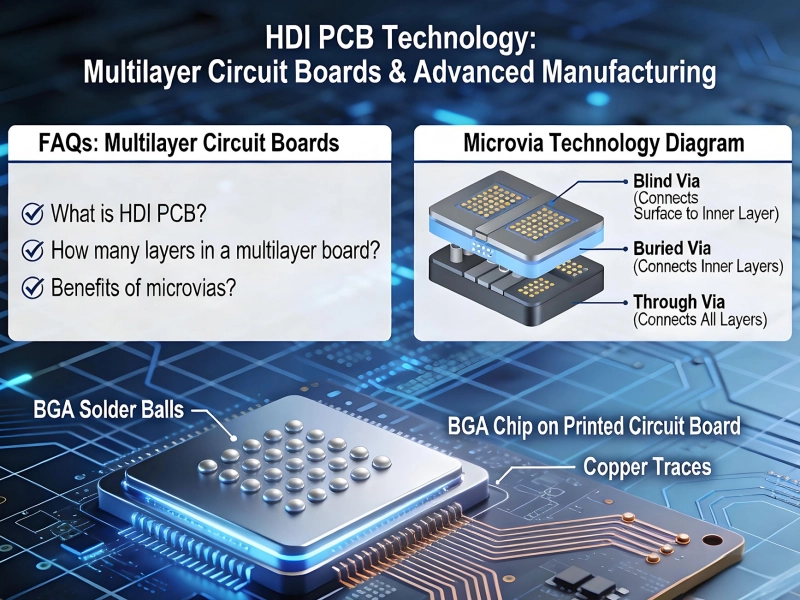
The Benefits of Rapid High Frequency PCB PrototypingMay/29/2026
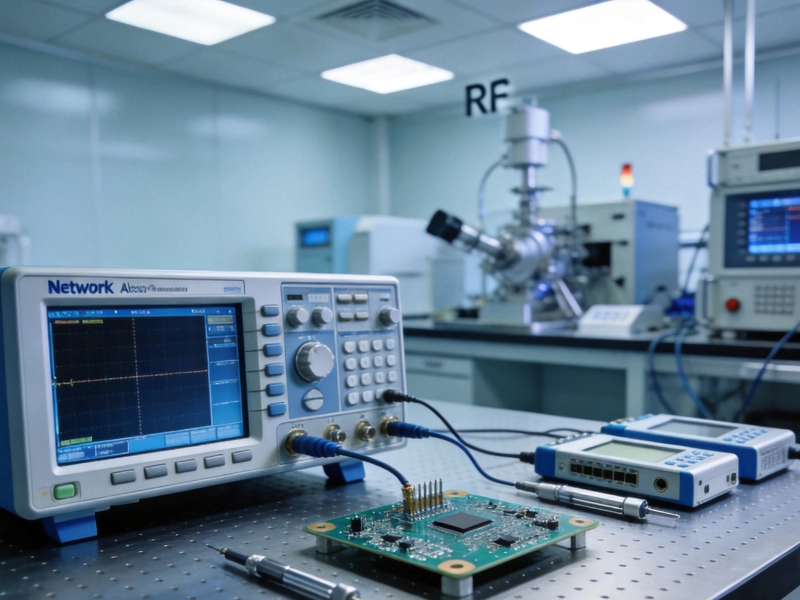
Testing and Validation: Ensuring Your High Frequency PCB Prototype Meets SpecsAugust/15/2026
From Design to Reality: A Step-by-Step Guide to Ordering a High Frequency PCB PrototypeSeptember/20/2026
Common Pitfalls to Avoid During Your High Frequency PCB Prototype PhaseJune/18/2026

How to Prepare Gerber Files for a Successful High Frequency PCB PrototypeJuly/02/2026
The Cost of High Frequency PCB Prototyping: What Influences the Price?July/26/2026