Open Nav

For startups developing wireless communication devices, radar systems, satellite equipment, and other high-frequency electronics, selecting the right Pcb Prototype supplier can make the difference between successful product development and costly delays. High-frequency PCB Fabrication presents unique challenges that differ fundamentally from conventional Pcb Manufacturing, requiring specialized materials, precise process controls, and engineering expertise that many suppliers simply do not possess. Startups operating with limited budgets and aggressive development timelines cannot afford supplier selection mistakes that waste precious resources or extend development cycles unnecessarily. This comprehensive guide provides the framework startups need to evaluate, compare, and select the optimal high-frequency Pcb Prototype supplier for their specific requirements.
High-frequency PCBs serve applications where Signal Integrity at radio frequencies determines product performance. Unlike digital boards where clean on-off transitions matter, high-frequency boards must preserve analog signal waveforms with minimal distortion, Insertion Loss, and reflection. These requirements stem from the fundamental physics of high-frequency signal propagation, where Transmission Line effects dominate circuit behavior in ways that do not matter at lower frequencies. Designers working in the GHz range must account for Impedance Matching, Skin Effect losses, and dielectric characteristics that affect signal quality in ways unfamiliar to engineers primarily experienced with digital designs.
The materials used in high-frequency PCBs significantly impact electrical performance in ways that conventional FR4 boards do not exhibit. Dielectric Constant, loss tangent, and material consistency across the board all affect signal propagation characteristics. Lower-loss materials such as Rogers, Taconic, and Arlon laminates provide superior performance at high frequencies but cost substantially more than standard materials and require different processing approaches. Understanding these material implications helps startups evaluate supplier capabilities accurately rather than accepting generic claims about high-frequency expertise.
Impedance Control represents perhaps the most critical electrical requirement for high-frequency PCBs, where Transmission Line geometries must maintain consistent Characteristic Impedance throughout signal paths. Variations in trace width, dielectric thickness, or material properties create impedance discontinuities that cause reflections and signal degradation. The tight tolerances required for Controlled Impedance demand suppliers with rigorous process controls, calibrated equipment, and demonstrated capability for the specific impedance values and tolerances a startup's design requires.
Evaluating a supplier's technical capabilities must begin with verification of their actual manufacturing specifications rather than accepting marketing claims at face value. Requesting detailed capability documentation including minimum trace widths, spacing, dielectric thickness tolerances, and Impedance Control tolerances provides the factual foundation for assessment. Suppliers should be willing to share actual process capability data demonstrating their performance against these specifications rather than merely listing theoretical limits that may not reflect production reality.
Material expertise specifically for high-frequency applications indicates whether a supplier genuinely understands the unique challenges these boards present. Ask about their experience with specific high-frequency laminate materials, their supplier relationships for these materials, and how their processes differ from standard PCB Fabrication. Suppliers who routinely work with Rogers RT/duroid, Rogers RO4000 series, Taconic RF, and other specialized materials demonstrate the material expertise that effective high-frequency manufacturing requires. Those who claim high-frequency capability but only stock standard FR4 reveal gaps in their actual expertise.
Testing and verification capabilities prove essential for validating that manufactured boards meet high-frequency electrical requirements. Ask suppliers about their impedance testing procedures, what equipment they use, and whether they provide impedance test coupons with each production lot. Suppliers should be able to perform time-domain reflectometry or network analyzer measurements to verify impedance control, not merely claim that boards were fabricated to specification. The additional cost of electrical testing is justified by the assurance it provides that boards will perform as designed.
Startup product development benefits enormously from suppliers who provide proactive engineering support rather than simply executing orders as received. High-frequency Pcb design presents numerous opportunities for optimization that less experienced suppliers may not recognize or communicate. Suppliers with strong engineering teams can review designs for manufacturability, suggest optimizations for Signal Integrity or cost reduction, and flag potential issues before production begins. This collaborative approach prevents problems that would otherwise only be discovered after boards are manufactured and tested.
Design for manufacturing review processes help startups optimize their High-frequency Pcb layouts based on actual supplier capabilities. Supplier-specific design rules addressing trace geometry, via styles, and layer stackup configurations enable designs that are both electrically optimal and reliably manufacturable. Suppliers who provide detailed design guidelines documents demonstrate commitment to customer success rather than simply accepting any design regardless of its manufacturability.
Communication responsiveness matters significantly for startups operating under development schedule pressure. Evaluate how quickly suppliers respond to inquiries, whether they assign dedicated engineering contacts for ongoing projects, and how they handle urgent requests. Suppliers who treat startups as unimportant compared to larger customers will create frustration and potentially miss critical prototype deadlines. Direct conversations with potential suppliers during the evaluation process reveal much about their culture and customer orientation.
Quality Management System certifications provide baseline assurance that suppliers follow consistent processes likely to produce reliable results. Iso 9001 certification indicates basic Quality Management System implementation, while AS9100 and similar aerospace standards reflect more rigorous requirements. For medical and automotive applications, additional industry-specific certifications become necessary. Startups should verify which certifications potential suppliers hold and understand what those certifications mean for their specific application requirements.
High-frequency performance verification extends beyond basic electrical continuity testing to include Insertion Loss measurement, return loss characterization, and signal integrity testing appropriate to the specific frequency range. Ask suppliers about their testing capabilities for the specific parameters that matter for your application. Suppliers with network analyzer equipment and demonstrated expertise in high-frequency testing provide more comprehensive Quality Assurance than those relying only on basic continuity checks.
First article inspection reports provide comprehensive documentation that initial production runs meet all specifications. These reports should include dimensional measurements, impedance test results, visual inspection findings, and any other testing appropriate to the application. Startups should require first article inspection reports from new suppliers before committing to production volume, ensuring that boards meet requirements before larger investments follow.
Startup budget constraints require careful evaluation of supplier pricing structures and minimum order requirements. High-frequency Pcb Manufacturing costs substantially exceed standard PCB costs due to specialized materials, tighter process controls, and lower production volumes of these specialized products. Understanding total cost of ownership including not just unit pricing but also tooling, setup fees, testing charges, and shipping costs enables accurate budget planning and fair supplier comparison.
NRE (non-recurring engineering) charges for tooling, test fixtures, and first article qualification vary significantly between suppliers. Some suppliers include these charges in unit pricing while others list them separately, making comparison confusing. Requesting complete pricing breakdowns with and without NRE charges clarifies actual costs and enables meaningful comparison. Startups should also inquire about tooling amortization policies, where repeated orders can spread tooling costs across larger quantities.
Prototype pricing programs that some suppliers offer specifically for startup customers can significantly reduce early-stage development costs. These programs may include reduced minimum quantities, extended payment terms, or volume discounts that help startups manage cash flow during product development. Asking potential suppliers about startup-specific programs reveals opportunities that might otherwise be missed during standard commercial discussions.
Development timelines often prove more critical than unit cost for startups racing to reach market before competitors. Evaluating supplier lead times honestly is essential, distinguishing between quoted lead times and actual historical performance. Ask for typical lead times for the specific complexity level your designs require, and request references from other customers to verify claimed performance. Aggressive quotes that suppliers cannot actually meet create schedule problems worse than honest longer quotes from reliable suppliers.
Rapid response capabilities for expedited orders matter when development schedules slip or accelerate unexpectedly. Ask suppliers about their procedures for handling urgent requests, what additional charges expedite processing incurs, and whether they have actually met expedited timelines in the past. Suppliers who offer expedited services should be able to explain specifically what they do differently to accelerate processing without compromising quality.
Engineering change handling becomes important as designs evolve during development iterations. Suppliers who can accommodate design modifications efficiently, even after production has begun, provide flexibility that startups need. Understanding how suppliers handle partial scrap from design changes, whether they can reuse unused portions of previous builds, and what their policies are for accommodating reasonable change requests helps startups plan for the inevitable evolution of product designs.
High-frequency laminate materials face supply chain challenges that affect availability and pricing. Many specialized materials are sourced from a limited number of manufacturers, creating potential allocation constraints and price volatility. Evaluating supplier relationships with laminate manufacturers, their inventory practices, and their ability to source materials for production requirements provides insight into supply stability. Suppliers with strong manufacturer relationships and strategic inventory positions offer more reliable supply than those purchasing opportunistically on the spot market.
Alternate material qualification processes enable response when primary materials become unavailable. Suppliers who have already qualified alternative materials for equivalent performance provide insurance against supply disruptions. Ask potential suppliers about their contingency planning for material shortages and whether they have successfully navigated previous supply chain disruptions without impacting customer deliveries.
Long-term pricing stability affects startup planning for product cost as development transitions to production. Suppliers who can provide pricing commitments for defined periods enable accurate product costing and business planning. Understanding how suppliers price materials, whether they pass through commodity price changes immediately or maintain stable pricing, helps startups anticipate cost evolution as products move toward volume production.
Direct conversations with existing customers provide insights that supplier-provided materials cannot convey. Ask for references from customers with similar applications, technology requirements, and company sizes. Reference conversations should address reliability of delivery schedules, quality consistency, responsiveness to issues, and overall satisfaction. Specific questions about how suppliers handled problems that arose reveal character more clearly than discussions of successes.
Industry reputation within the high-frequency electronics community indicates accumulated experience across many customers and applications. Suppliers who are recognized within RF and microwave communities have typically demonstrated consistent performance across demanding applications. Attending industry conferences, reviewing technical papers suppliers have authored, and monitoring online forums where engineers discuss supplier experiences all provide reputation intelligence that informs selection decisions.
Financial stability matters for long-term partnership viability, particularly for startups planning extended product lifecycles. Suppliers experiencing financial difficulties may reduce quality investments, lose key personnel, or ultimately cease operations in ways that disrupt ongoing product programs. While formal financial analysis may be excessive, basic due diligence including reviewing public financial information for publicly traded suppliers provides some insight into stability.
Startups benefit from positioning suppliers as strategic partners rather than transactional vendors, creating mutual commitment that serves both parties as products progress from Prototype To Production. Communicating product roadmaps, volume expectations, and strategic importance enables suppliers to prioritize support appropriately. Suppliers who understand they are valued partners provide support beyond what pure transactional relationships would generate.
Regular engagement with supplier engineering teams builds relationships that compound over time. Quarterly reviews of performance, upcoming design challenges, and development roadmaps create opportunities for proactive problem-solving. These relationships prove invaluable when unexpected challenges arise, as established relationships enable direct access to engineering resources that help resolve problems quickly.
Fair dealing with suppliers builds goodwill that benefits startups when they need flexibility or priority attention. Paying invoices promptly, providing reasonable lead time requests, and treating supplier personnel with respect creates positive relationships that distinguish startups from less considerate customers. These relationship investments pay dividends throughout the product lifecycle.
Vague or evasive answers to specific capability questions reveal uncertainty that should concern startups. Suppliers genuinely capable of high-frequency manufacturing can provide detailed technical specifications, actual test data, and specific examples of comparable work. Promises to figure things out later or suggestions that details do not matter reveal suppliers who lack the expertise they claim.
Unrealistic pricing that seems too good to be true typically indicates corners being cut that will cause problems. High-frequency PCB manufacturing requires expensive materials, calibrated equipment, and skilled personnel that cannot be obtained at commodity pricing. Suppliers undercutting market rates significantly either lack the claimed capabilities or are cutting costs in ways that will compromise quality.
Resistance to customer verification of capabilities through documentation, samples, or references suggests suppliers have something to hide. Professional suppliers welcome reasonable due diligence and can explain their capabilities clearly. Suppliers who become defensive, stall, or refuse reasonable requests reveal themselves as unsuitable partners for serious development work.
Selecting the best high-frequency PCB prototype supplier requires systematic evaluation of technical capabilities, quality systems, cost structures, and relationship dynamics. Startups who invest adequate time in supplier evaluation avoid the much larger costs of production problems, schedule delays, and partnership failures that result from inadequate due diligence. The framework provided here enables thorough assessment while respecting startup time constraints.
The optimal supplier for any specific startup depends on unique factors including technical requirements, budget constraints, timeline pressure, and application criticality. No single supplier is ideal for all situations, making honest self-assessment of priorities essential for effective selection. Startups should weight criteria appropriately based on their specific circumstances rather than treating all factors as equally important.
Building strong supplier relationships positions startups for success throughout product development and into production. The investment in finding the right supplier partner pays dividends across the entire product lifecycle, from prototype through production and beyond. Startups who find suppliers who genuinely understand their requirements and commit to their success will accelerate development while reducing risk, ultimately reaching markets faster with more reliable products.

The Cost of High Frequency PCB Prototyping: What Influences the Price?July/26/2026
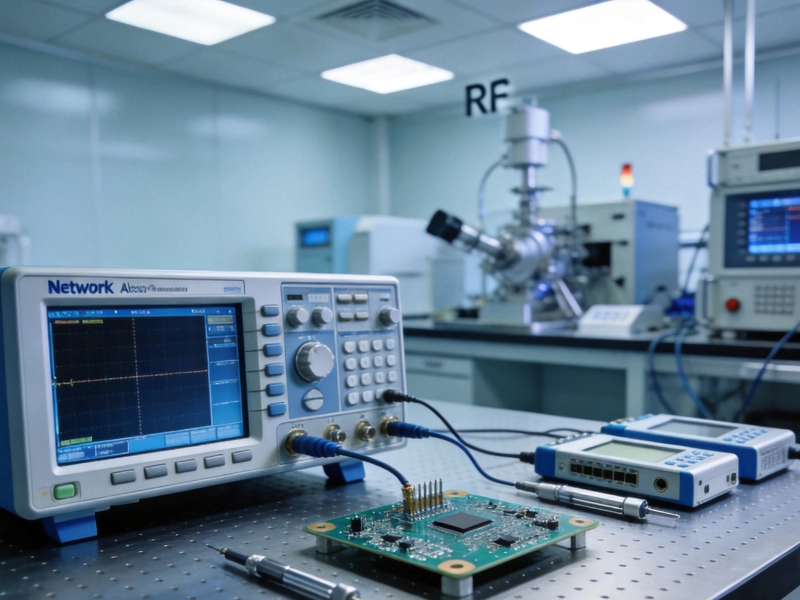
Testing and Validation: Ensuring Your High Frequency PCB Prototype Meets SpecsAugust/15/2026
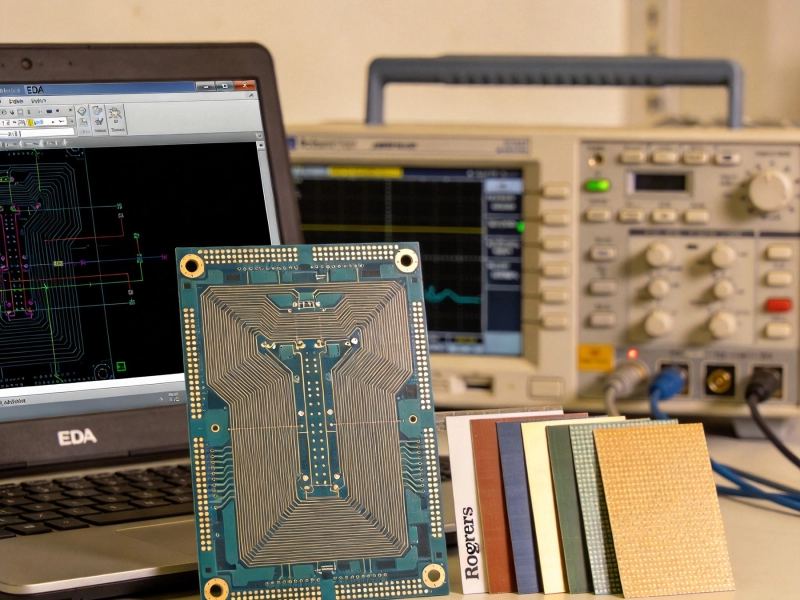
From Design to Reality: A Step-by-Step Guide to Ordering a High Frequency PCB PrototypeSeptember/20/2026
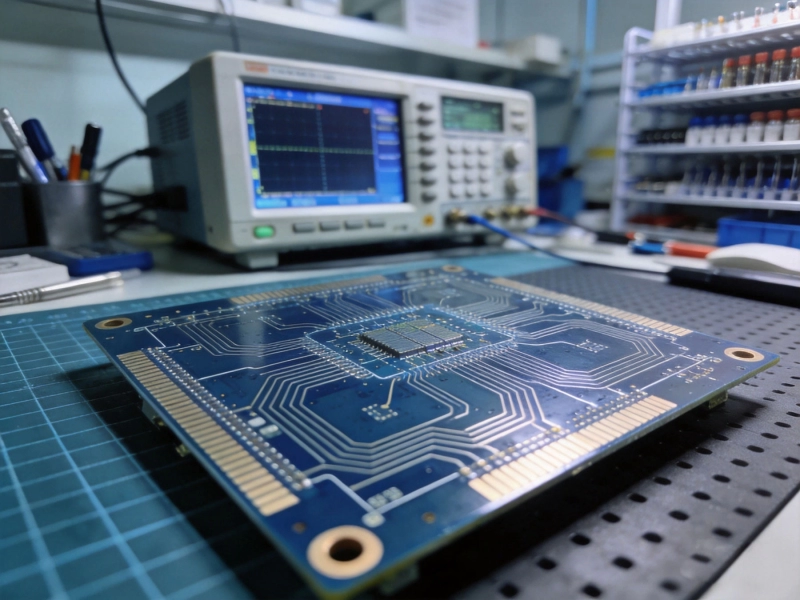
Common Pitfalls to Avoid During Your High Frequency PCB Prototype PhaseJune/18/2026
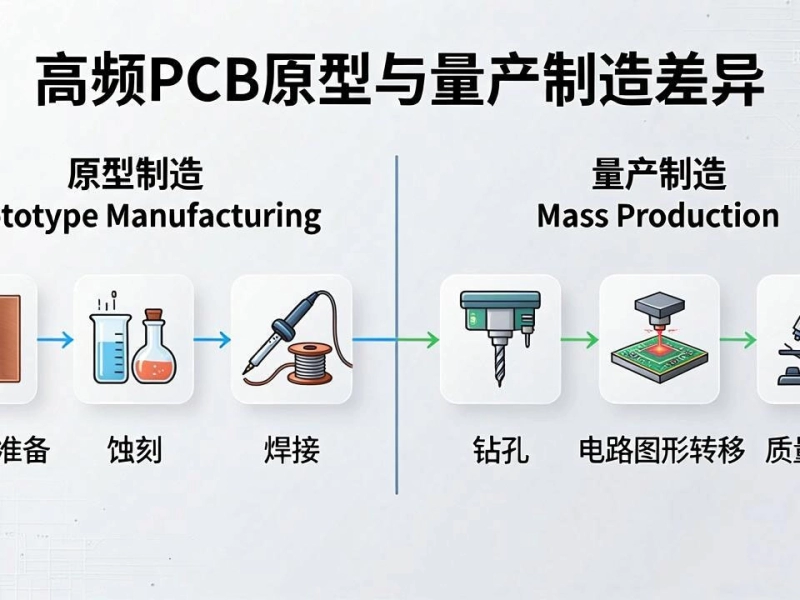
High Frequency PCB Prototype vs. Mass Production: Key Differences in FabricationJune/05/2026

How to Prepare Gerber Files for a Successful High Frequency PCB PrototypeJuly/02/2026
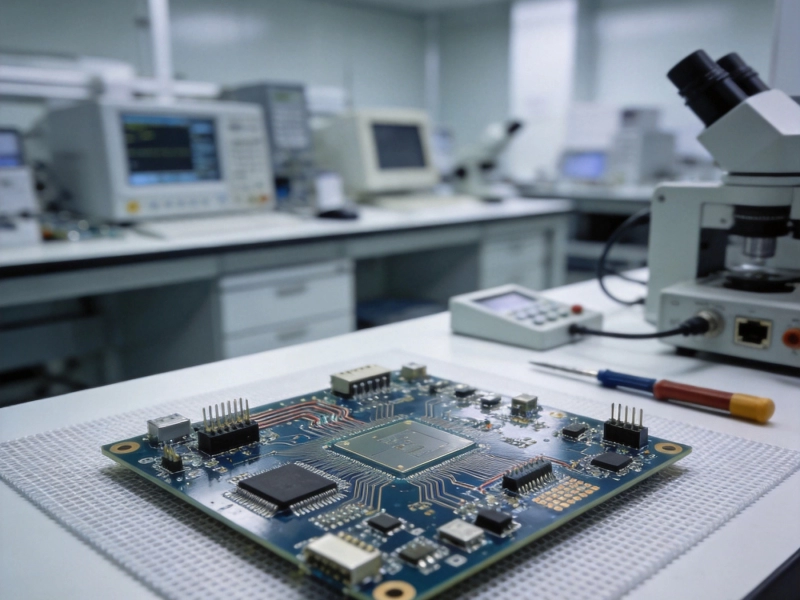
Turnkey High Frequency PCB Prototype Services: Streamlining Your Development CycleAugust/06/2026
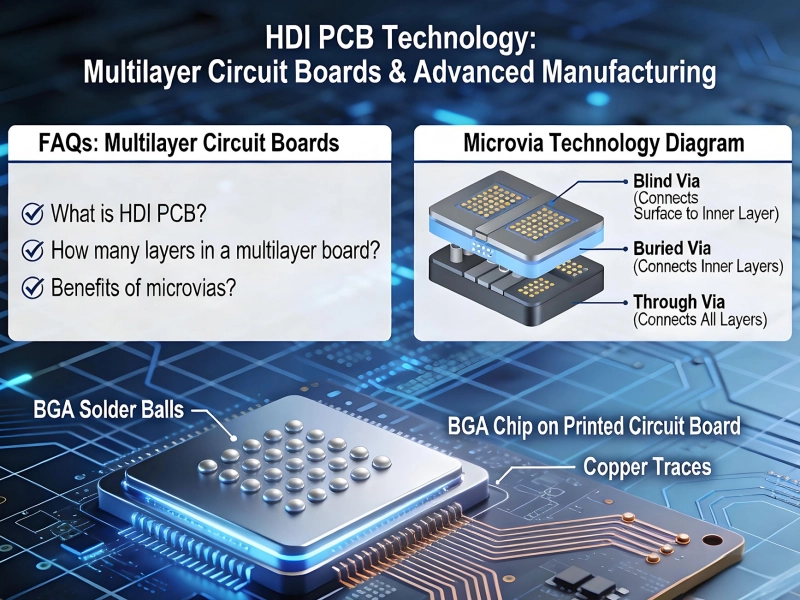
The Benefits of Rapid High Frequency PCB PrototypingMay/29/2026