Home Blog High Frequency PCB Assembly

High Frequency PCB Assembly Best Practices for 5G and RF Modules

June/08/2026

As 5G networks expand globally and RF applications multiply across industries, High Frequency Pcb Assembly has become increasingly critical. Manufacturing reliable 5G and RF modules demands specialized knowledge that goes far beyond standard PCB assembly practices. This comprehensive guide explores the best practices Chinese manufacturers employ to ensure Signal Integrity, minimize losses, and maintain consistent performance in high-frequency applications.
High Frequency PCB Assembly Best Practices for 5G and RF Modules

Understanding High Frequency PCB Assembly Challenges

High Frequency Pcb Assembly presents unique challenges that don't exist in conventional electronics manufacturing. When dealing with frequencies above 1 GHz—typical for 5G applications ranging from sub-6 GHz to millimeter-wave bands—every design decision impacts performance.

Signal Integrity at High Frequencies

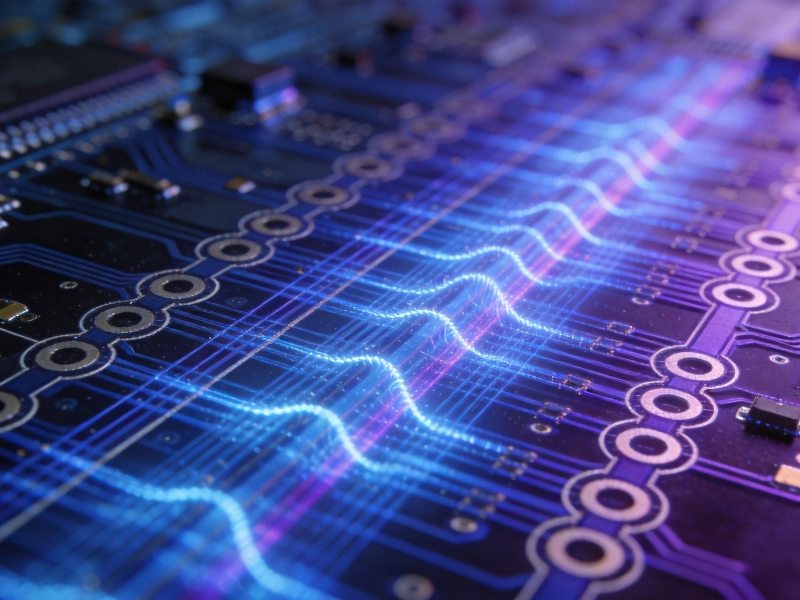
At microwave frequencies, PCB traces behave as transmission lines rather than simple conductors. Signal Integrity depends on controlling:

  • Characteristic Impedance: Must match throughout the signal path (typically 50Ω for RF)
  • Transmission Line Losses: Dielectric and conductor losses increase with frequency
  • Crosstalk: Coupling between adjacent traces becomes significant
  • Reflections: Impedance discontinuities cause signal reflections and standing waves

Materials Matter in RF PCB Assembly

Standard FR-4 materials prove inadequate for high-frequency applications. Leading Chinese PCB manufacturers recommend specialized laminates:

  • Rogers RO4000 Series: Low-loss hydrocarbon ceramic thermoset materials ideal for 5G base stations
  • Taconic TLY Series: High-performance PTFE-based laminates for millimeter-wave applications
  • Arlon AD Series: Low-loss woven fiberglass reinforced PTFE for satellite communications
  • Isola I-Tera MT: Advanced RF materials with stable dielectric constant across temperatures

Key material properties to evaluate include dielectric constant (Dk), dissipation factor (Df), coefficient of thermal expansion (CTE), and moisture absorption rates.

PCB Design Best Practices for 5G and RF Applications

Successful High Frequency Pcb assembly begins with proper design. These guidelines help ensure manufacturability while maintaining RF performance:

Transmission Line Design Guidelines

Proper transmission line implementation forms the foundation of Rf Pcb design:

  • Maintain Consistent Trace Width: Variations in trace width directly affect impedance
  • Use Ground Planes Effectively: Solid ground planes beneath RF traces minimize return path inductance
  • Avoid Sharp Corners: Mitered 45-degree bends reduce impedance discontinuities compared to 90-degree corners
  • Control Trace Spacing: Maintain 3W rule—separate RF traces by at least three times the trace width
  • Via Optimization: Minimize via usage; when necessary, use multiple vias to reduce inductance

Component Placement Strategies

Strategic component placement dramatically affects High Frequency Pcb assembly outcomes:

  • Group RF Components: Keep RF components clustered to minimize trace lengths
  • Separate Analog and Digital: Partition boards to isolate noisy digital circuits from sensitive RF sections
  • Shield Critical Circuits: Implement metal shields or fencing around oscillators and mixers
  • Consider Thermal Management: High-power amplifiers require adequate spacing for heat dissipation
  • Connector Placement: Position RF connectors at board edges with direct transmission line routing

Assembly Process Best Practices

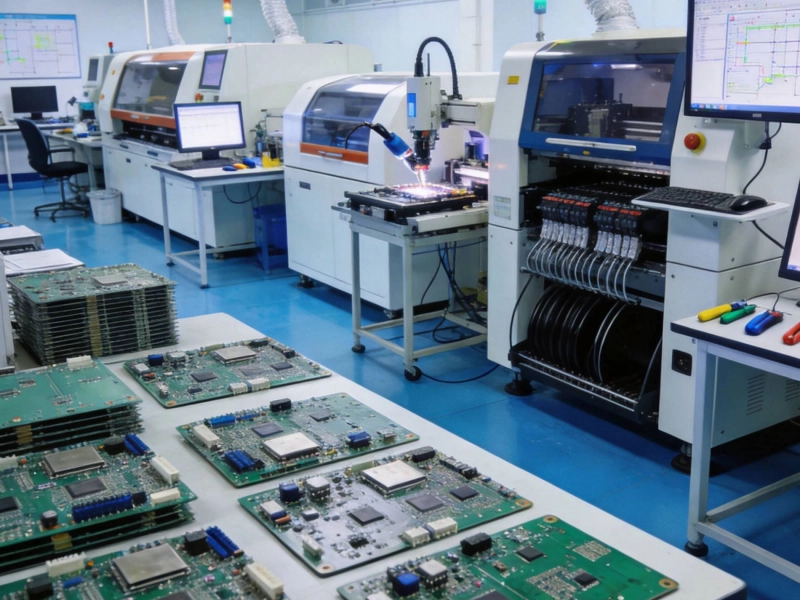
High frequency PCB assembly demands precision at every manufacturing stage. Chinese manufacturers with 5G experience follow these critical practices:

Solder Paste and Stencil Design

Proper solder paste application prevents common RF assembly defects:

  • Stencil Thickness: Use 4-5 mil stencils for 0402 and smaller RF components to prevent bridging
  • Aperture Design: Round corners on rectangular apertures improve paste release
  • Paste Selection: Type 4 or Type 5 solder paste ensures consistent deposits on fine-pitch RF ICs
  • Environment Control: Maintain 40-60% humidity to prevent paste drying during high-frequency PCB assembly

Reflow Profile Optimization

Temperature profiles significantly impact RF component reliability:

  • Ramp Rates: Limit to 1-2°C/second to prevent thermal shock to sensitive ceramic capacitors
  • Soak Zone: Extended soak (90-120 seconds) ensures even flux activation on large ground planes
  • Peak Temperature: Maintain 235-245°C for lead-free SAC305 solder; avoid exceeding 250°C
  • Cooling Rate: Controlled cooling (2-4°C/second) prevents intermetallic growth

Component Handling Precautions

RF components require special handling during high frequency PCB assembly:

  • ESD Protection: All RF ICs, especially GaN and GaAs devices, require strict ESD protocols
  • Moisture Sensitivity: Follow MSL ratings strictly; bake components before reflow if exposed
  • Placement Accuracy: ±0.05mm placement tolerance for microwave components
  • Nozzle Selection: Use soft rubber nozzles for delicate RF filters and baluns

Testing and Quality Control for RF PCBs

Comprehensive testing ensures high frequency PCB assembly meets performance specifications:

Electrical Testing Protocols

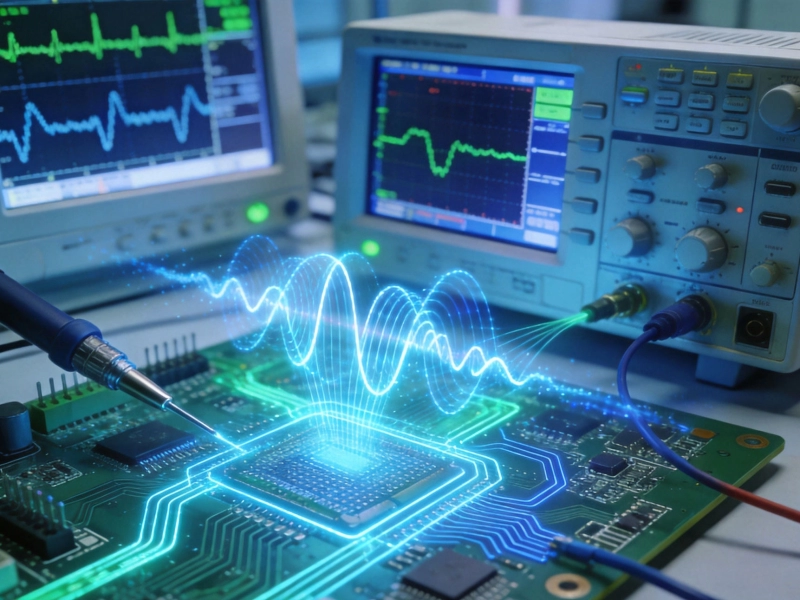
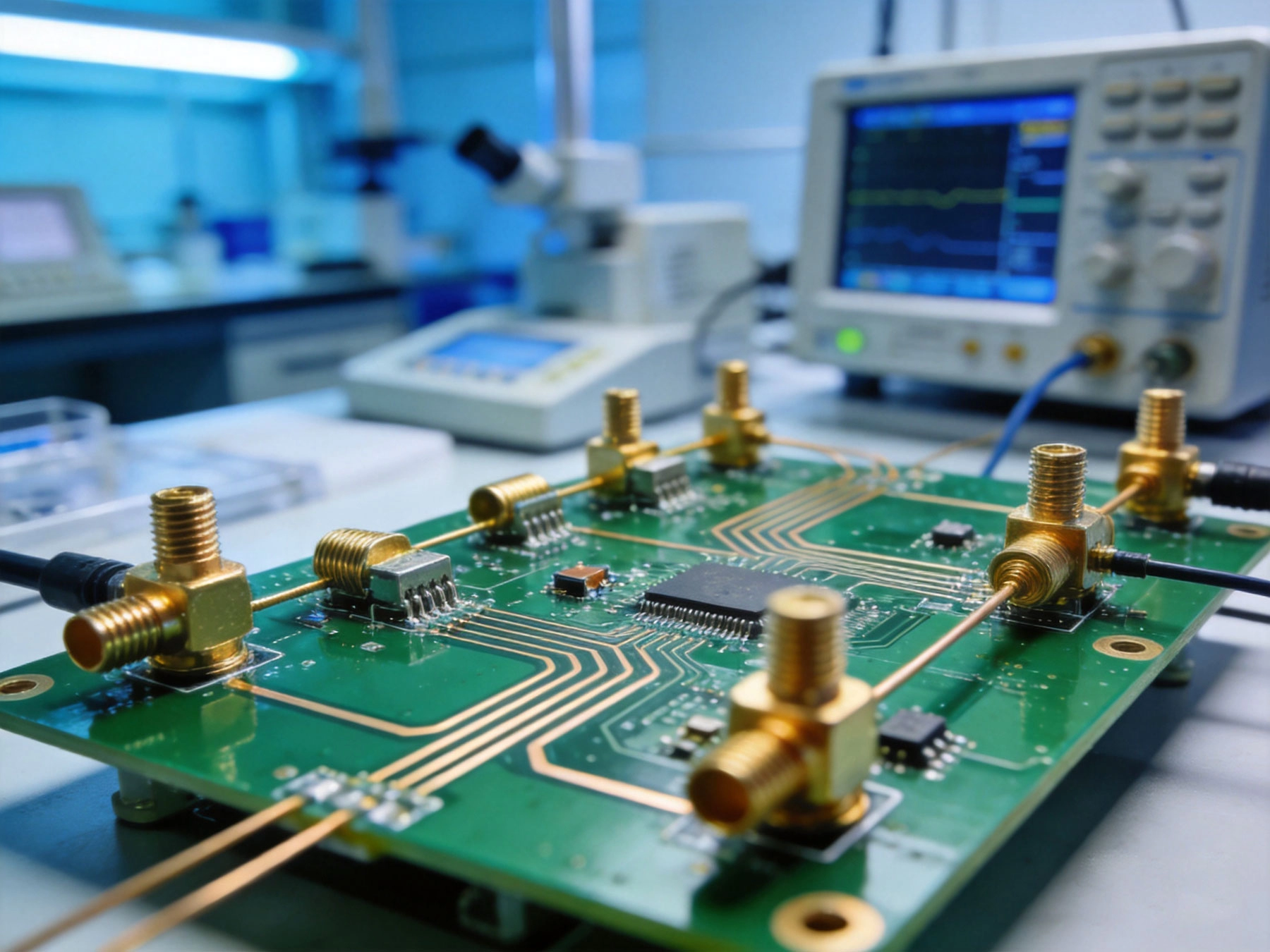
  • Network Analysis: Vector Network Analyzers (VNA) measure S-parameters from DC to mmWave
  • Impedance Testing: TDR (Time Domain Reflectometry) verifies transmission line characteristics
  • Power Handling: Verify amplifiers can deliver rated output without compression or oscillation
  • Phase Noise: Critical for oscillator and synthesizer circuits in 5G applications

Visual and X-Ray Inspection

  • AOI (Automated Optical Inspection): Detects component placement errors and solder joint defects
  • X-Ray Inspection: Reveals hidden solder voids under QFN and BGA RF packages
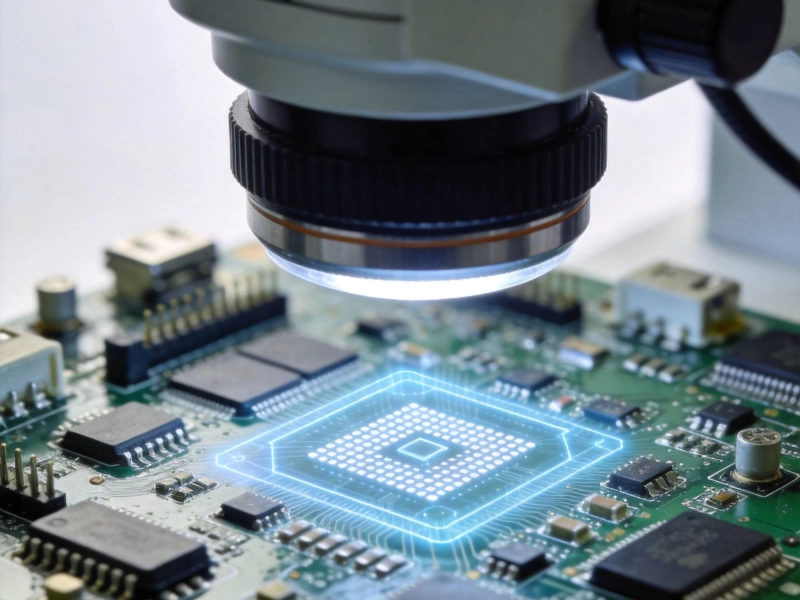
  • Microscopy: High-magnification inspection confirms fine-pitch component alignment

Common Pitfalls in High Frequency PCB Assembly

Even experienced manufacturers encounter challenges with RF assemblies. Avoid these common mistakes:

  • Inadequate Grounding: Poor ground connections create noise and instability
  • Via Stub Effects: Unused via stubs act as resonant structures at high frequencies
  • Solder Mask Issues: Inconsistent mask thickness affects impedance on microstrip lines
  • Component Mismatch: Substituting RF components without verification alters circuit performance
  • Cleaning Residues: Ionic contamination under RF components causes drift and failures

Working with Chinese Manufacturers for 5G PCB Assembly

China's electronics manufacturing ecosystem offers significant advantages for high frequency PCB assembly:

  • Advanced Equipment: Access to latest placement machines capable of 01005 components
  • Material Supply Chain: Direct relationships with Rogers, Taconic, and other RF material suppliers
  • Cost Efficiency: Competitive pricing without compromising quality for volume production
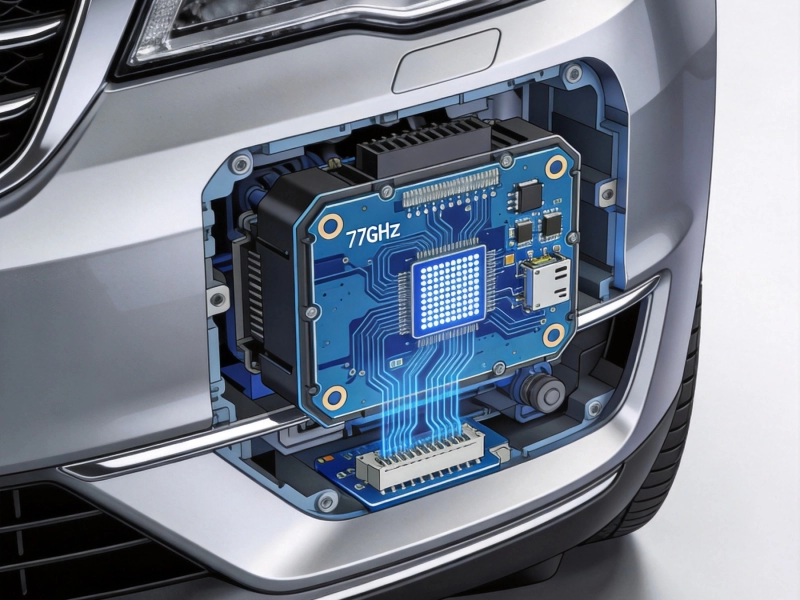
  • 5G Experience: Extensive experience with sub-6 GHz and mmWave 5G module production

When selecting a manufacturing partner, verify their capabilities through:

  • Certifications (ISO 9001, IPC-A-610, IPC-J-STD-001)
  • RF testing equipment inventory
  • Engineering support for Dfm feedback
  • Track record with similar 5G or RF projects

Future Trends in High Frequency PCB Assembly

The evolution of 5G and emerging wireless technologies drives continuous improvement in RF assembly:

  • Advanced Packaging: System-in-Package (SiP) and antenna-in-package integration
  • Embedded Components: Integrating passive components within PCB substrates
  • Additive Manufacturing: 3D-printed RF structures for specialized applications
  • AI-Driven Optimization: Machine learning algorithms optimizing RF layouts automatically

Conclusion

High frequency PCB assembly for 5G and RF modules requires specialized expertise spanning materials science, precision manufacturing, and RF engineering. By following the best practices outlined in this guide—selecting appropriate materials, optimizing designs for manufacturability, controlling assembly processes precisely, and implementing comprehensive testing—you can achieve reliable performance in demanding wireless applications.

Partnering with experienced Chinese manufacturers provides access to world-class capabilities while maintaining cost competitiveness. As 5G networks continue expanding and new RF applications emerge, mastering these assembly best practices positions your products for success in the high-frequency future.

Ready to manufacture your 5G or RF module? Contact our engineering team for a comprehensive Dfm review and competitive quotation tailored to your specific high frequency PCB assembly requirements.

Frequently Asked Questions

What makes high frequency PCB assembly different from standard assembly?

High frequency assembly requires specialized materials with low dielectric loss, precise Impedance Control, and careful handling of sensitive RF components. Standard FR-4 materials and conventional assembly practices often prove inadequate for frequencies above 1 GHz.

Which PCB materials are best for 5G applications?

Rogers RO4000 series, Taconic TLY materials, and Arlon AD laminates are popular choices for 5G applications. Material selection depends on specific frequency ranges, with millimeter-wave applications requiring the lowest loss materials available.

How do I ensure impedance control in my RF PCB design?

Maintain consistent trace widths, use appropriate stackup designs with solid ground planes, work closely with your manufacturer to verify dielectric constants, and specify Impedance Control requirements clearly in fabrication drawings.

What testing is essential for high frequency PCB assemblies?

Network analyzer measurements for S-parameters, TDR for impedance verification, power handling tests for amplifiers, and environmental testing for reliability validation are essential for ensuring Rf Pcb performance.

Can standard SMT lines handle RF component assembly?

While standard SMT equipment can place many RF components, high frequency PCB assembly benefits from placement machines with higher accuracy (±0.05mm), specialized nozzles for delicate components, and controlled atmosphere reflow systems.
Send Message
Name*
E-mail*
Country*
Phone/WhatsApp*
Name*
E-mail*
Country*
Phone/WhatsApp*