
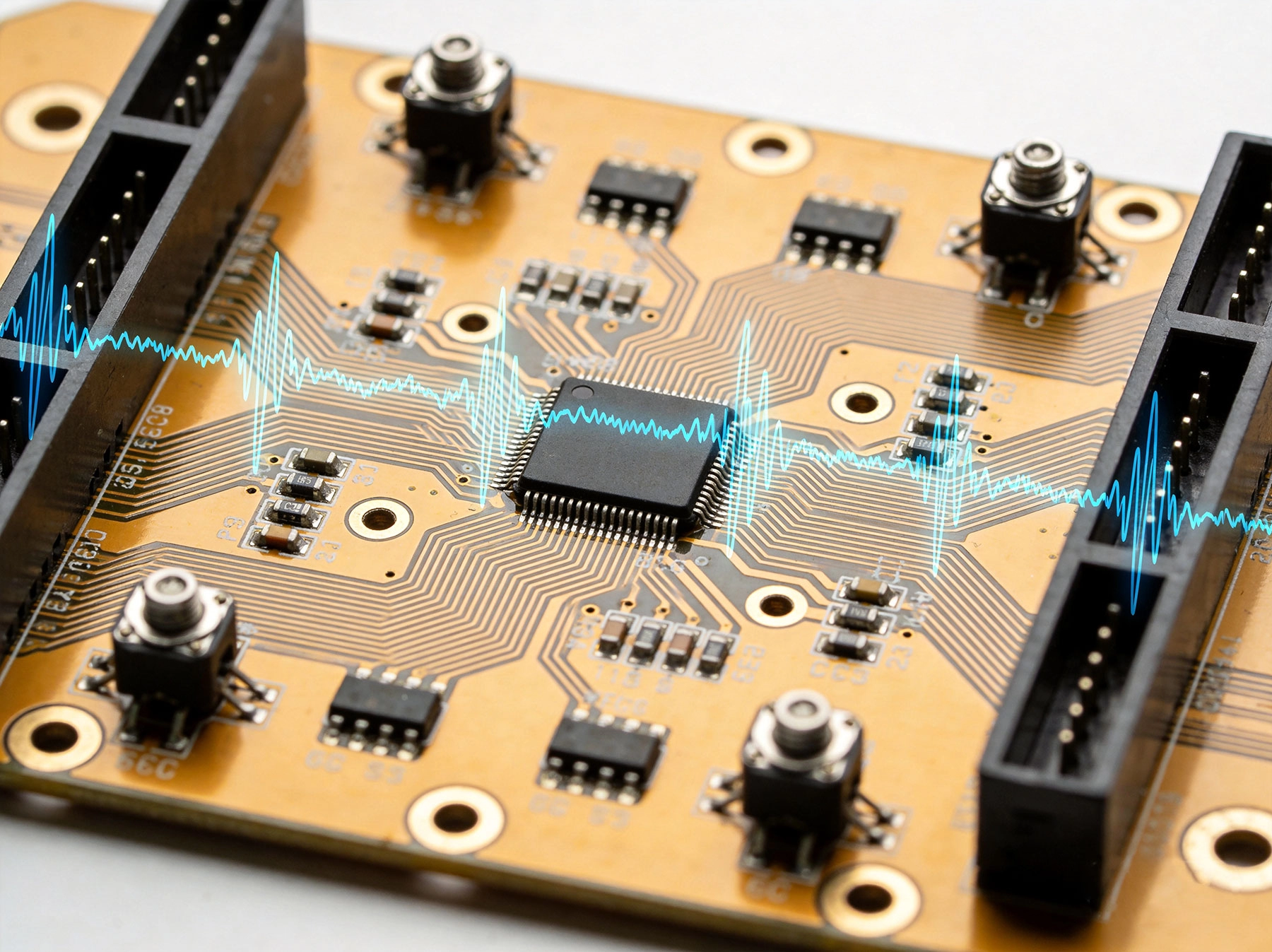
Introduction As global telecommunications infrastructure races toward 6G technology, the demand for cutting-edge high frequency PCB capabilities has never been more critical. While 5G networks continue their worldwide rollout, researchers and en...
https://www.high-frequency-pcb.com/high-frequency-pcb-capabilities/pushing-the-limits-our-latest-high-frequency-pcb-capabilities-for-6g-research/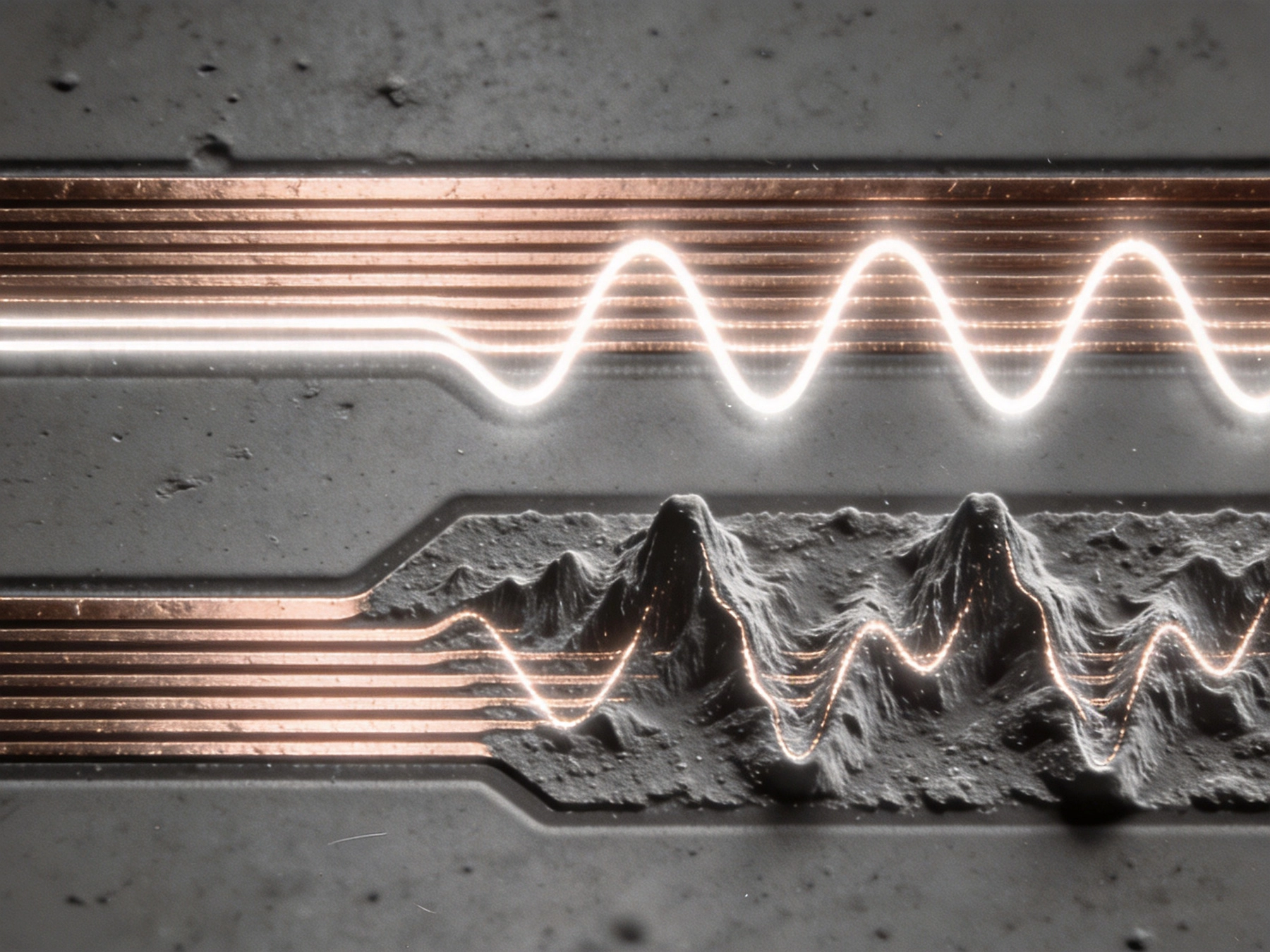
The Impact of Surface Roughness on High Frequency PCB Fabrication Quality When engineers think about high-frequency PCB design, they typically focus on trace geometry, dielectric materials, and impedance calculations. These factors are undeniabl...
https://www.high-frequency-pcb.com/high-frequency-pcb-fabrication/the-impact-of-surface-roughness-on-high-frequency-pcb-fabrication-quality/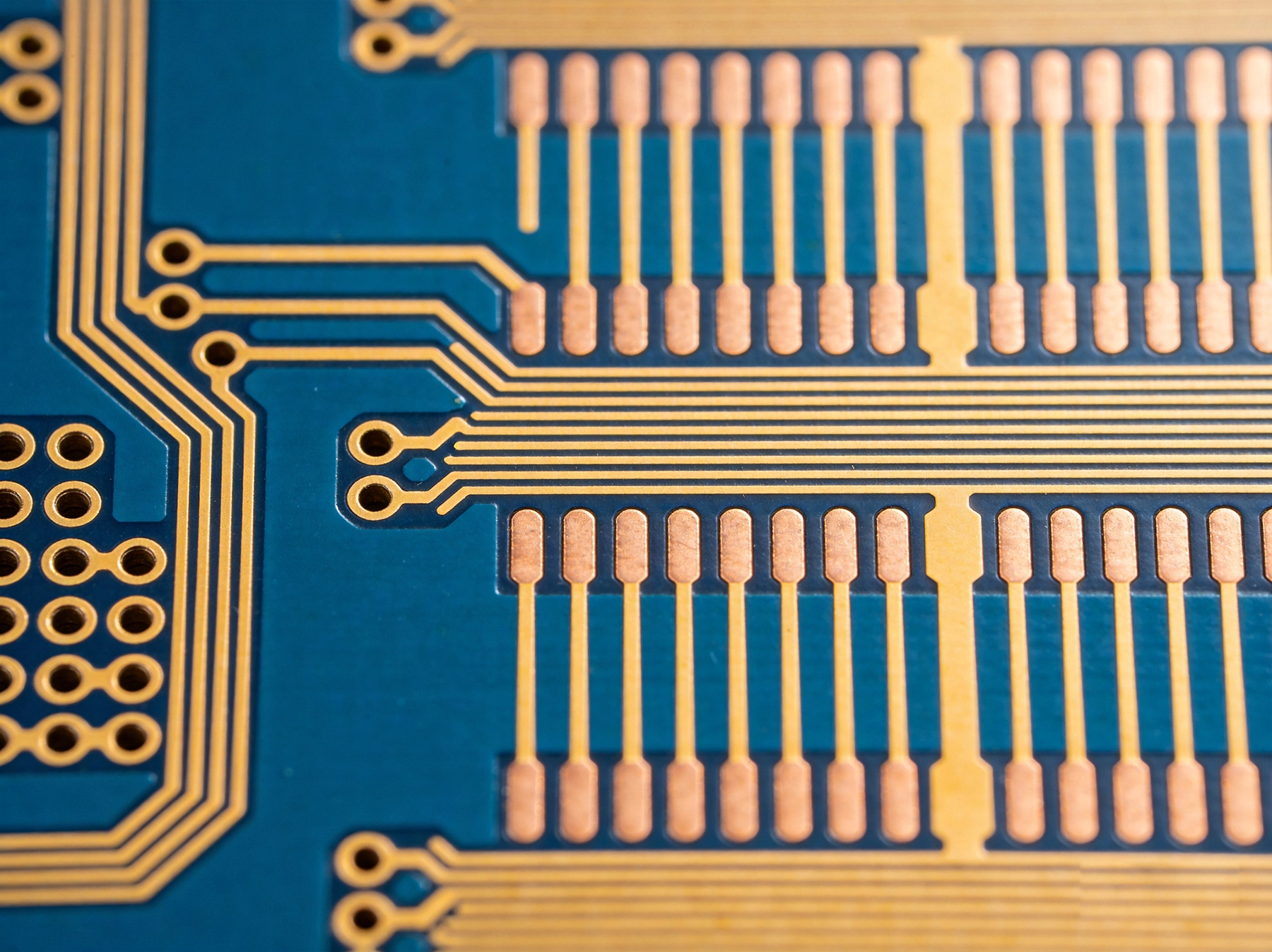
Introduction High frequency printed circuit boards operate in an entirely different engineering universe compared to standard digital boards. While a typical microcontroller PCB worries about getting signals from point A to point B without opens...
https://www.high-frequency-pcb.com/high-frequency-pcb-capabilities/understanding-high-frequency-pcb-capabilities-line-width-spacing-and-layer-count/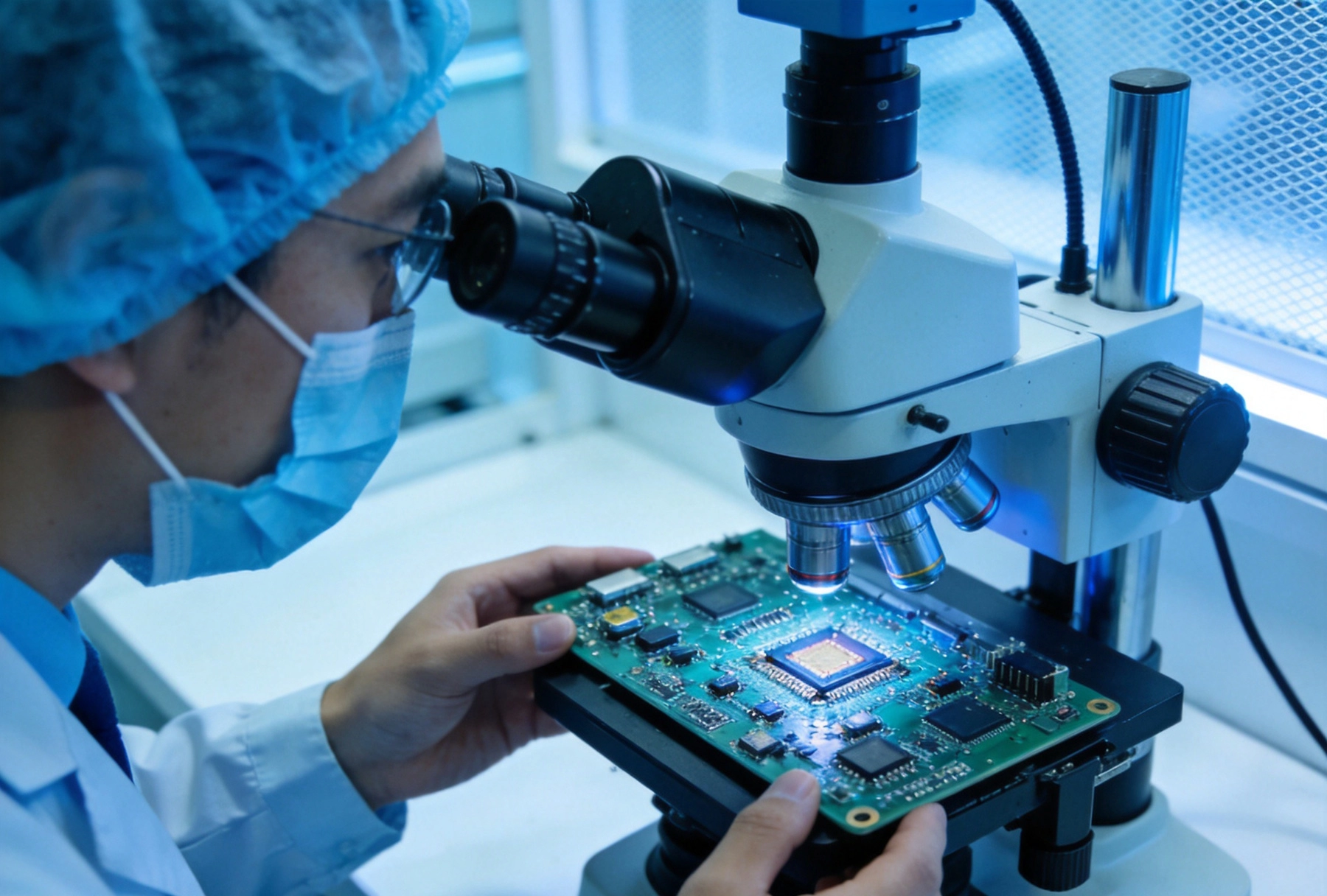
The rollout of 5G networks and the emergence of millimeter wave (mmWave) applications have created unprecedented demand for high frequency printed circuit boards. Unlike standard FR-4 boards, 5G and mmWave PCBs must maintain precise impedance contr...
https://www.high-frequency-pcb.com/high-frequency-pcb-manufacturer/how-to-vet-a-high-frequency-pcb-manufacturer-for-5g-and-millimeter-wave-projects/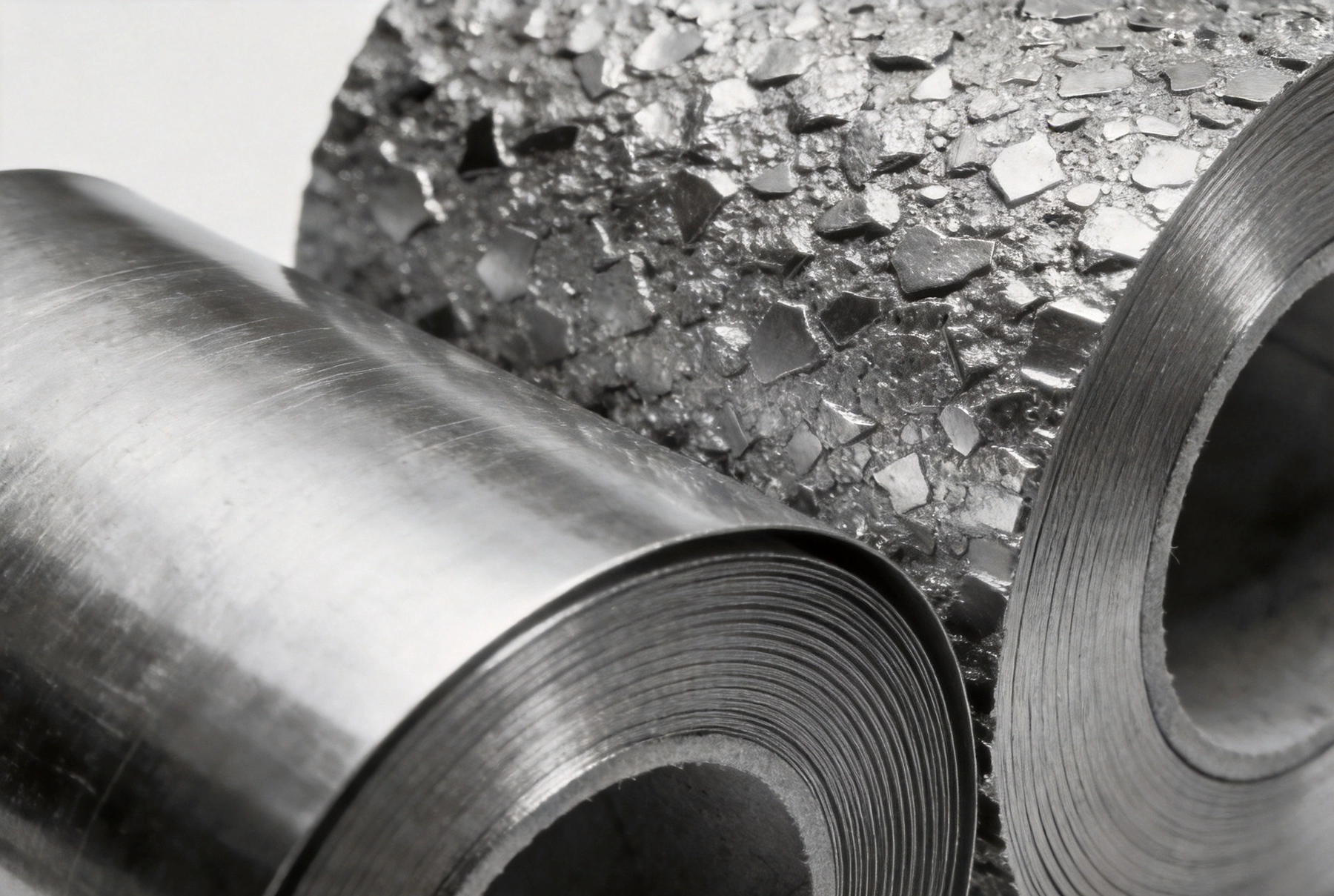
In high frequency PCB design, the dielectric material typically receives most of the attention. Engineers spend considerable effort evaluating loss tangent, dielectric constant, and thermal stability of substrate materials. Yet the copper foil—the ...
https://www.high-frequency-pcb.com/high-frequency-pcb-materials/the-impact-of-copper-foil-type-on-high-frequency-pcb-materials-performance/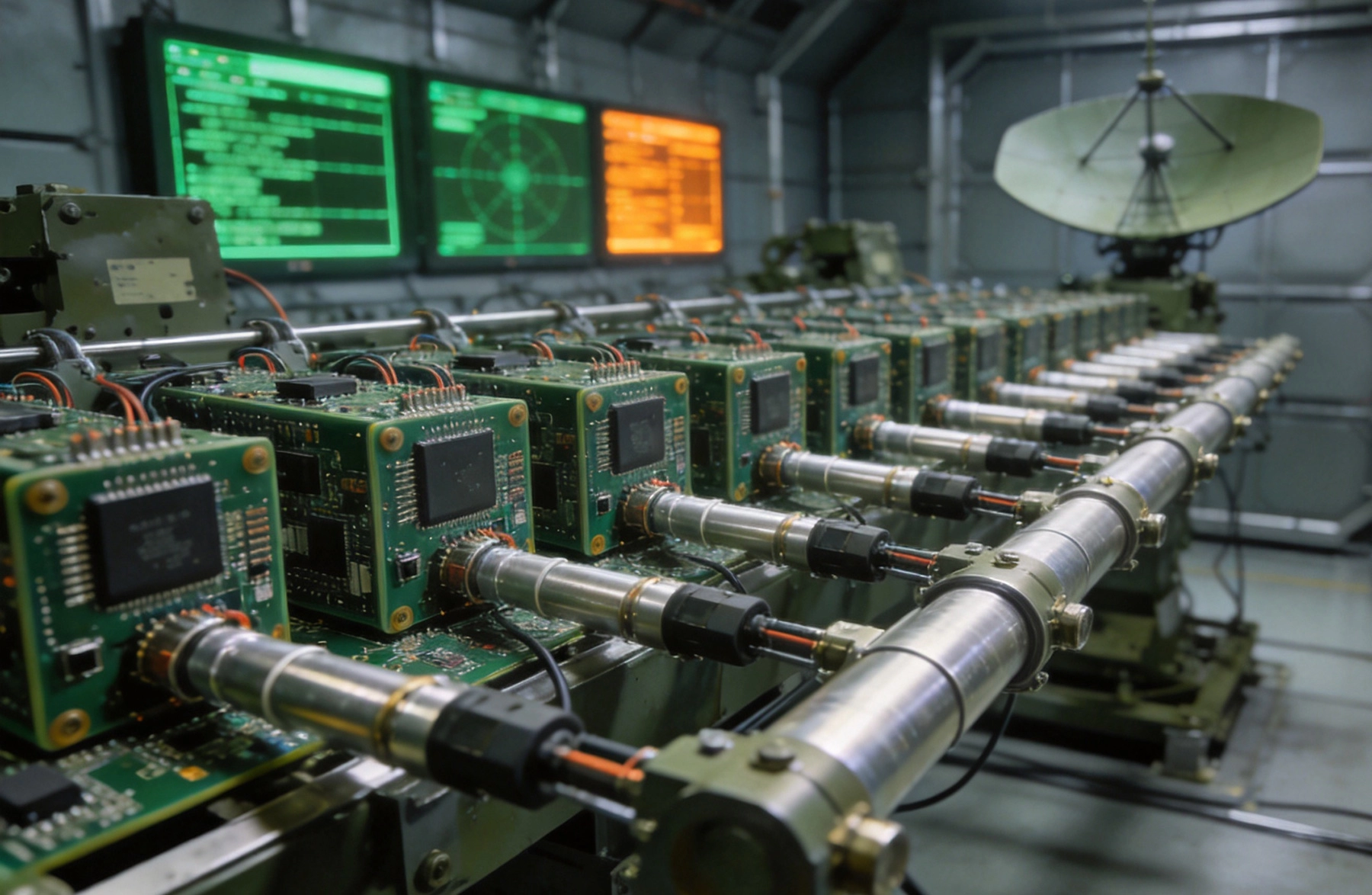
Modern military radar and electronic warfare systems operate at frequencies that would have been considered science fiction a generation ago. Phased array radars operating in X-band (8–12 GHz), Ka-band (26–40 GHz), and even W-band (75–110 GHz) are ...
https://www.high-frequency-pcb.com/energy-power-electronics/high-frequency-pcb-applications-for-military-radar-and-electronic-warfare/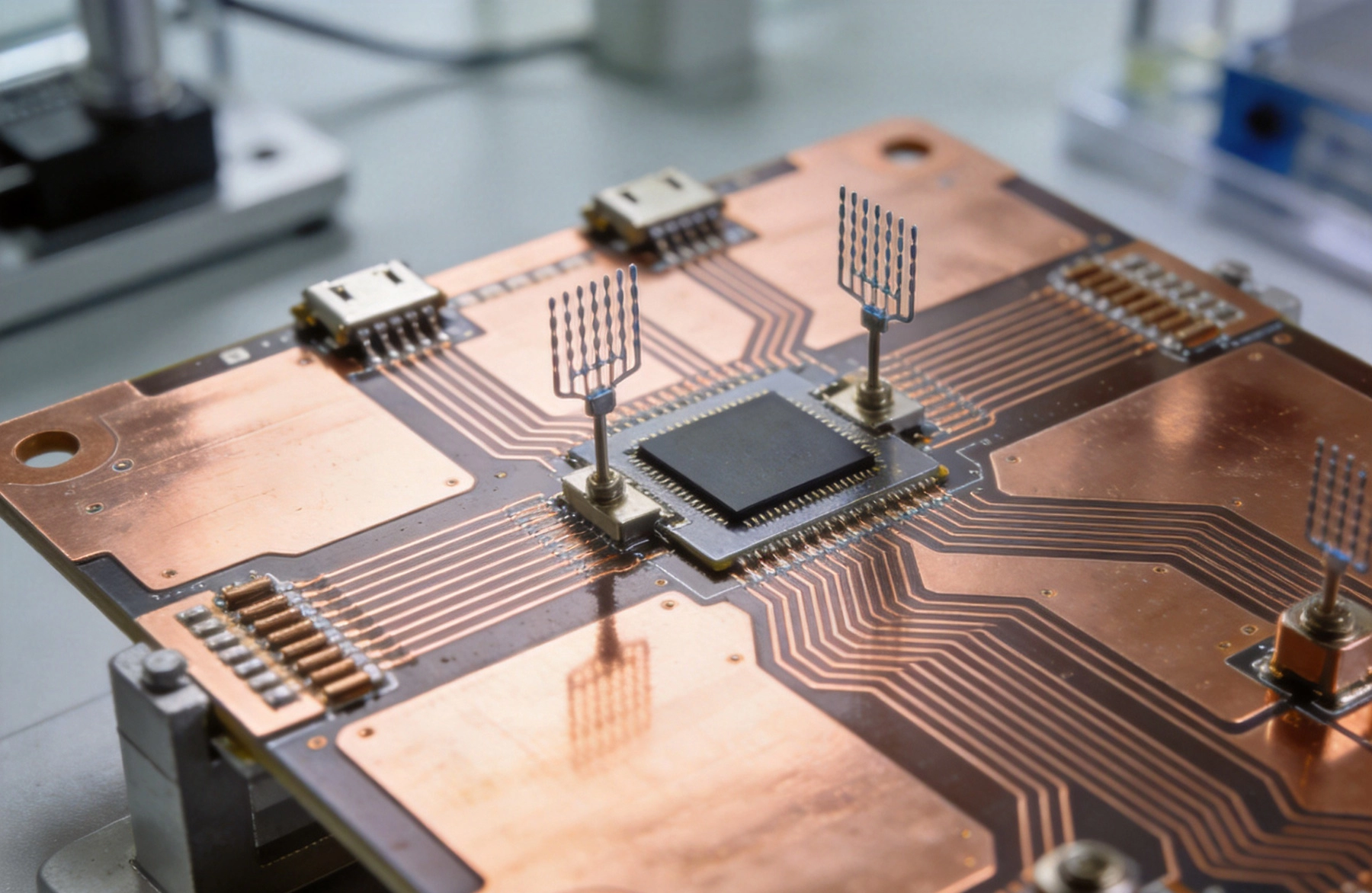
Millimeter wave technology—spanning the frequency range from 30 GHz to 300 GHz—is reshaping wireless communication, automotive radar, security imaging, and scientific instrumentation. Fifth-generation (5G) networks exploit the 28 GHz and 39 GHz ban...
https://www.high-frequency-pcb.com/high-frequency-pcb-capabilities/a-deep-dive-into-high-frequency-pcb-capabilities-for-millimeter-wave-tech/